
Eastern Abstraction
Group Exhibition - 31 July - 19 August, 2026
REDBASE Art Sydney
Abstraction emerging from Asia has a very different temporality than the West and is still finding innovations through Eastern thought and aesthetics. To arrive at the Eastern openings in abstraction, one must first reckon with the East–West binary that pervades the field and the ways painters navigate and disrupt these terms. Five artists from Seoul to Yogyakarta, Beijing to Brisbane, occupy positions independent of these binaries, which artist Paul Bai has termed the Third Spatial Position. At this point, the artwork in Eastern Abstraction becomes a living, in-between language.
Chinese painter Li Kezheng renders hard-edge geometries that float at the edge of visibility, where impossible shapes dissolve into hazy voids. Tian Longyu rakes a city skyline through thick oil paint he calls "spiritual soil" as if leaving furrows through the countryside; hung beneath a single light, each relief casts the shadow of the skyline that scarred it. Paul Bai, working in Brisbane since 1988, builds paintings whose frames sit askew and ill-fitting, their colours suspended between sunrise and sunset as the in-between of the first-generation migrant is made spatial. South Korean artist Sungmin Park renders ceramic tiles with such hyperreal precision that it flows into abstraction. Indonesian artist Tifani Anggun layers liquid latex into iridescent surfaces, where memory and impermanence pool at the threshold of Balinese cosmology and contemporary Indonesia.
Through their in-betweenness, abstraction reveals itself not as a Western inheritance reaching its end, but as a living and mutable language, its so-called origins unstable and continually negotiated.
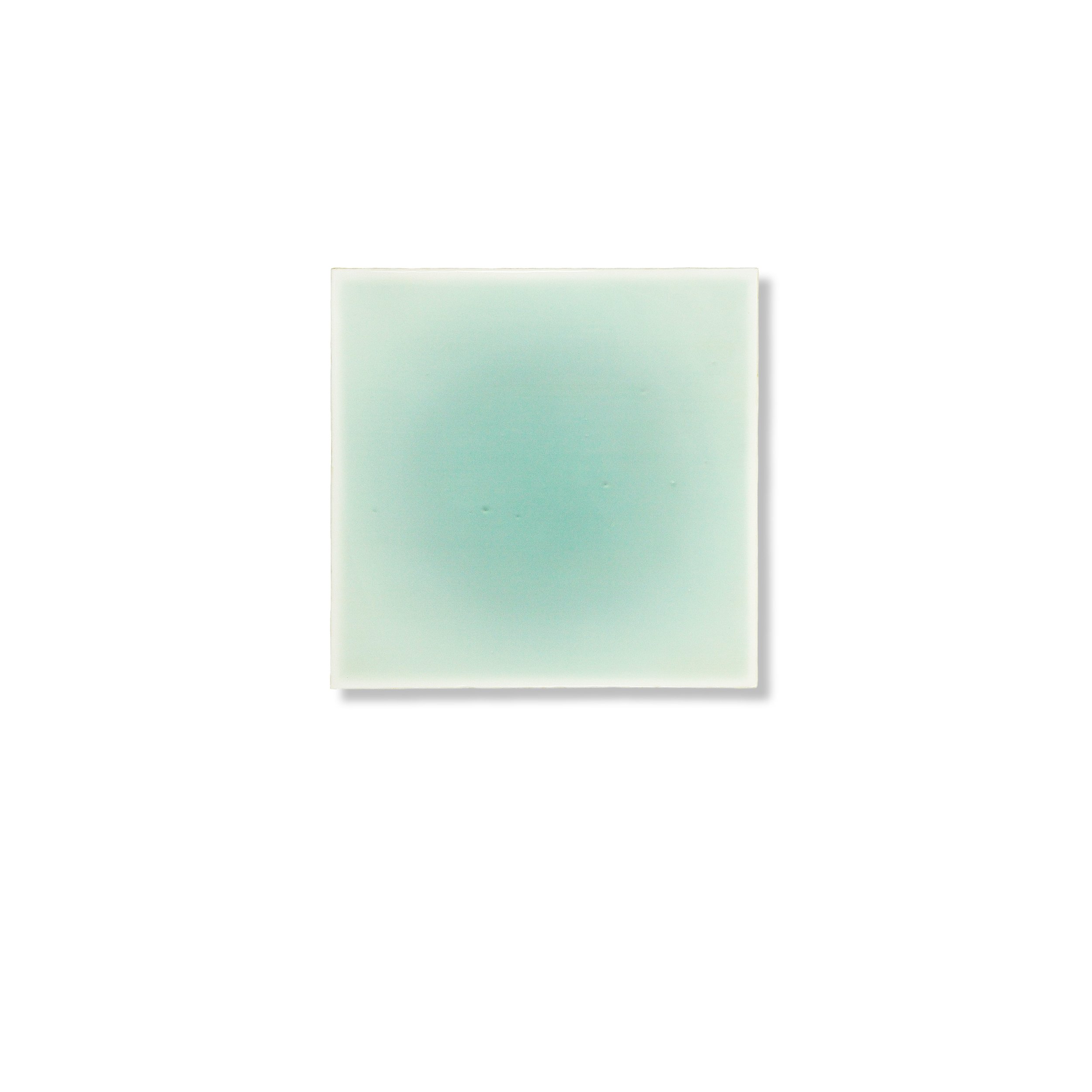
Sungmin Park evolution26001 oil on canvas 32cm x 32cm, 2026
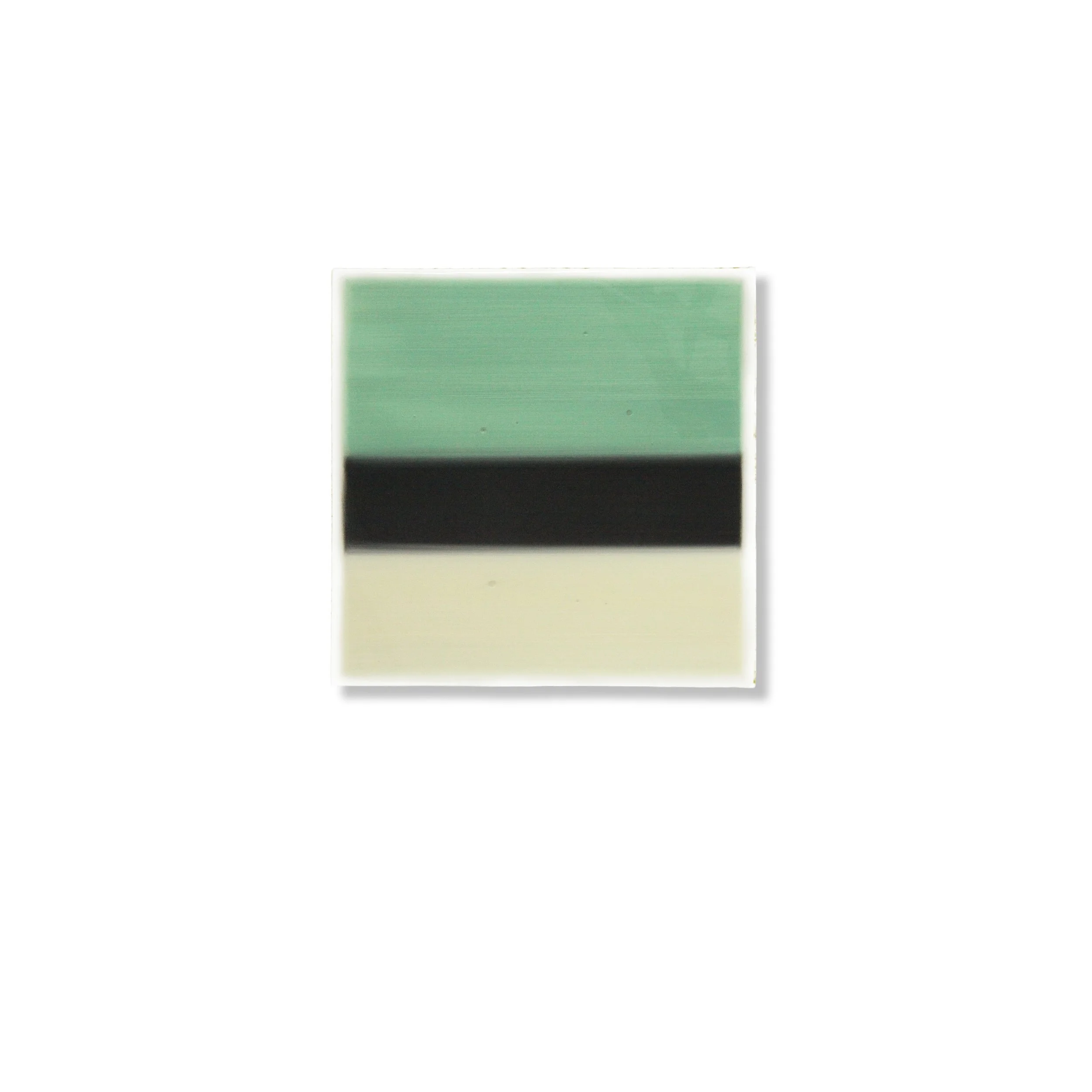
Sungmin Park evolution26069 oil on canvas 32cm x 32cm, 2026
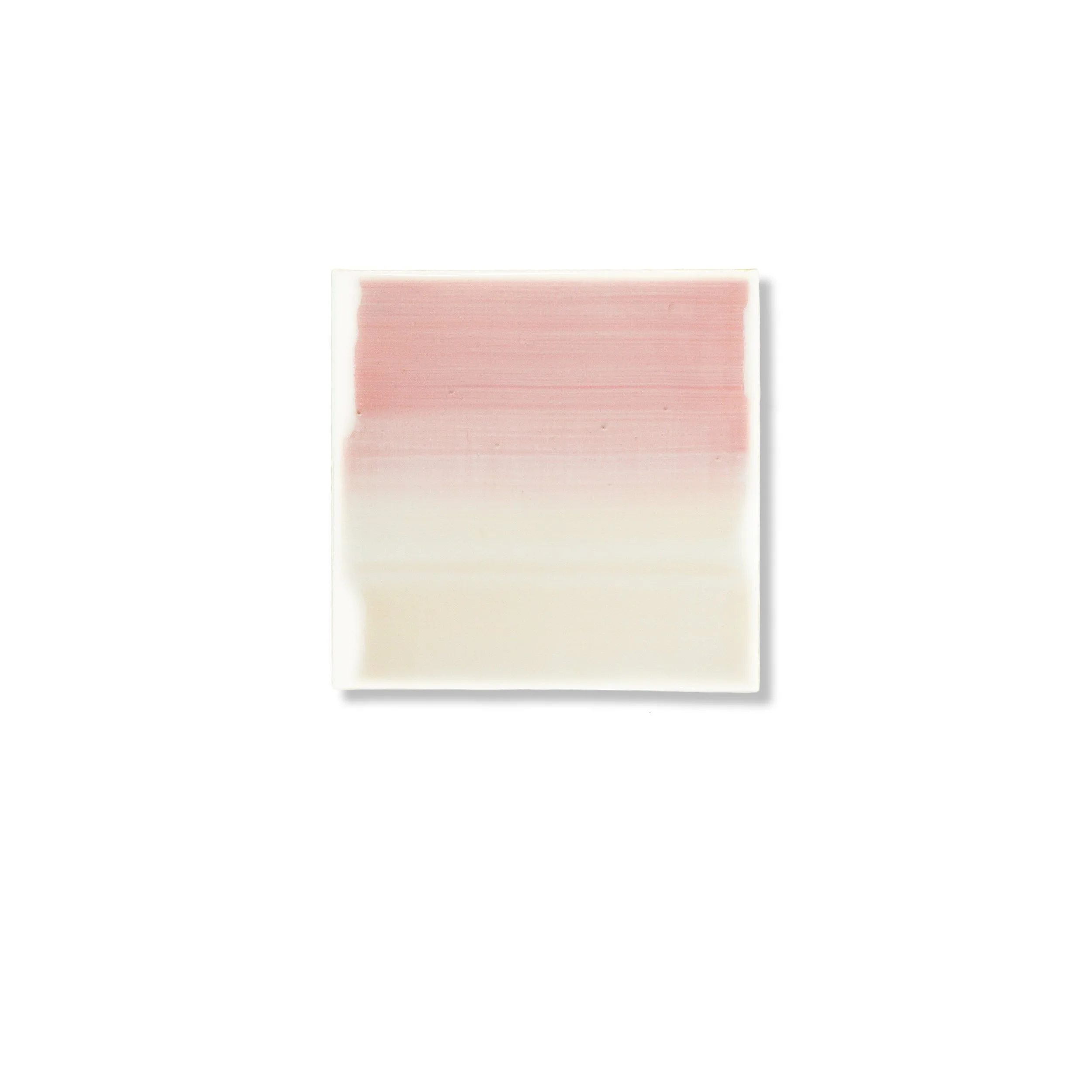
Sungmin Park evolution26072 oil on canvas 32cm x 32cm, 2026
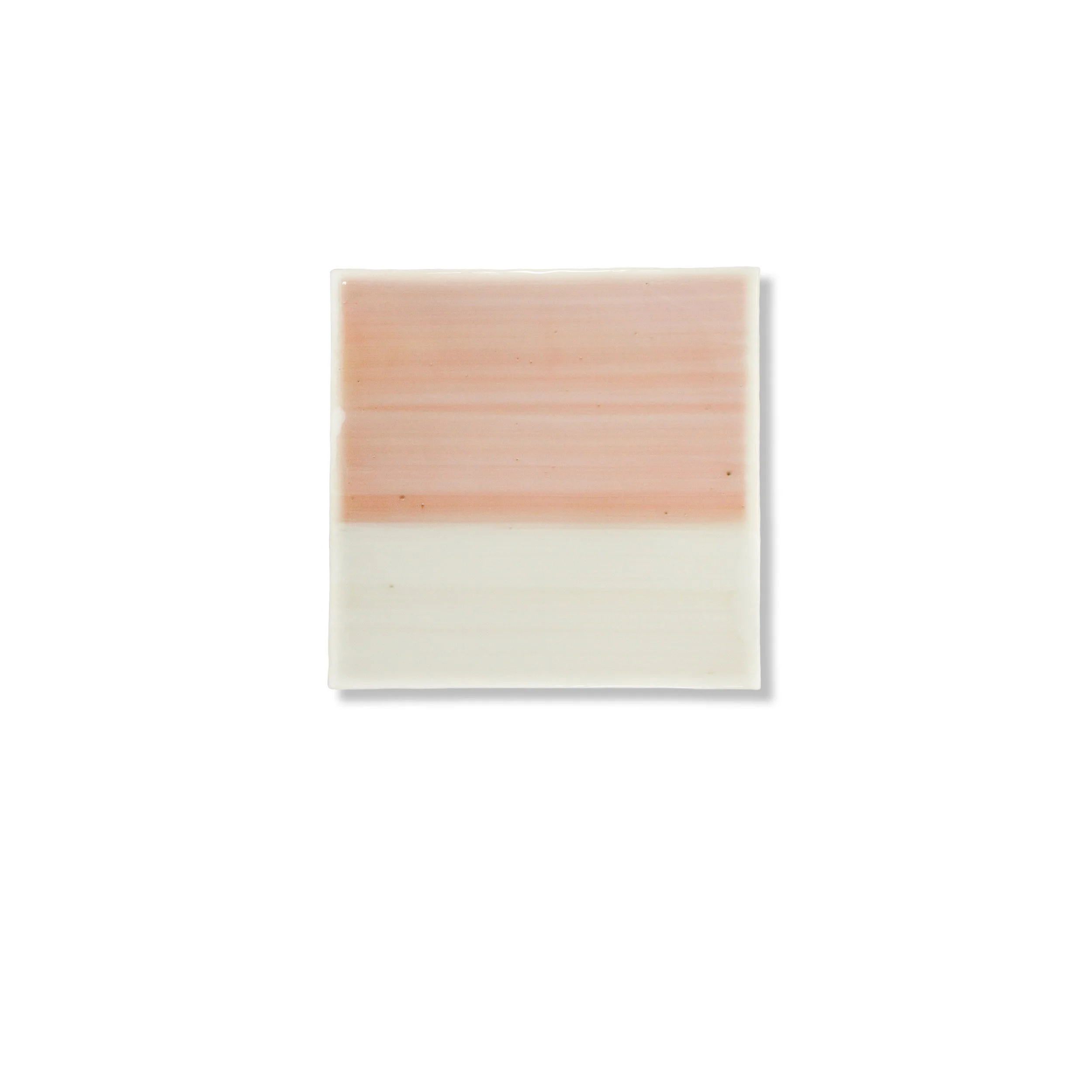
Sungmin Park evolution26073 oil on canvas 32cm x 32cm, 2026
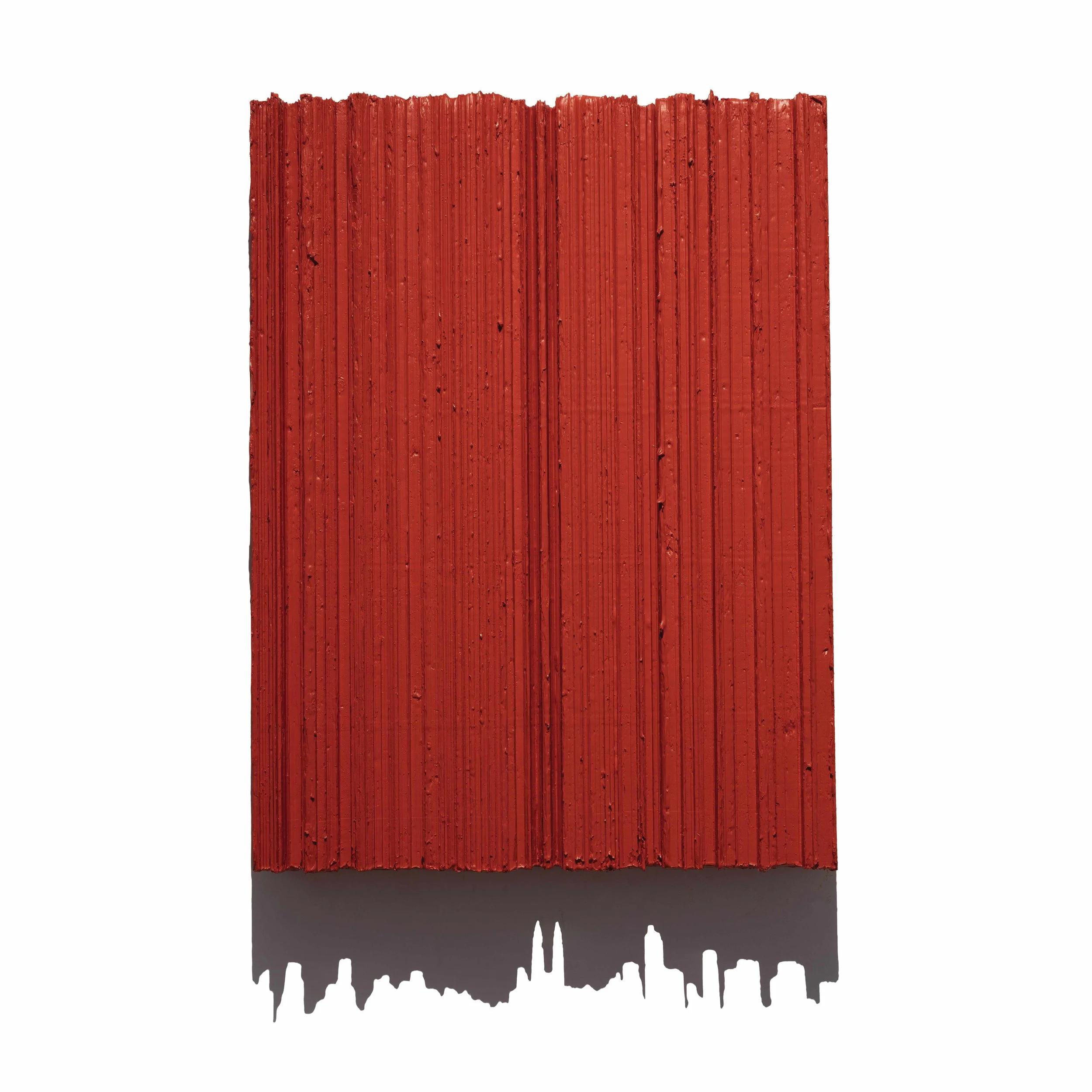
Tian Longyu The Scar 8060134 wood and oil paint 80cm x 60cm x 13.4, 2020
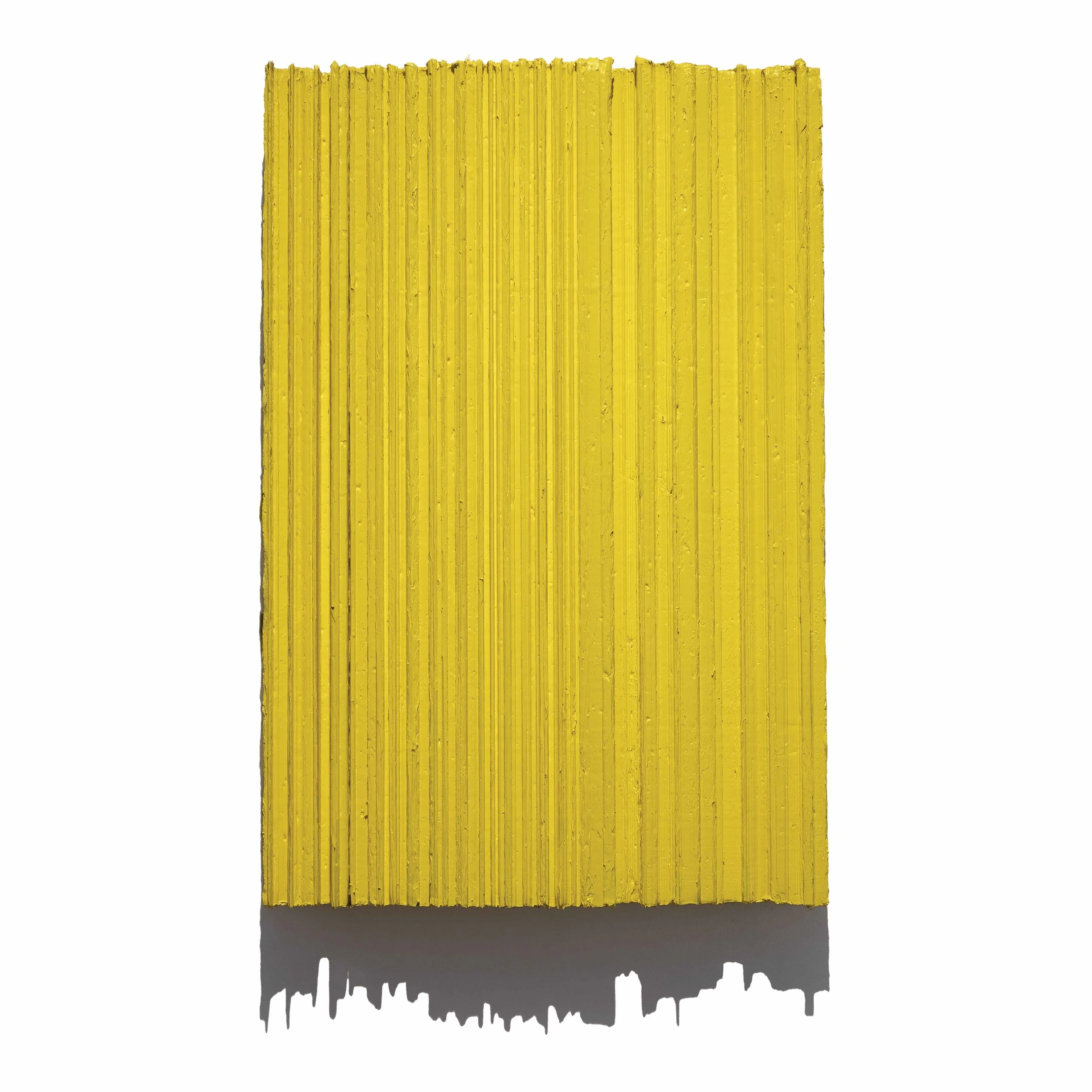
Tian Longyu The Scar 90600121 wood and oil paint 90cm x 60cm x 12.1, 2020
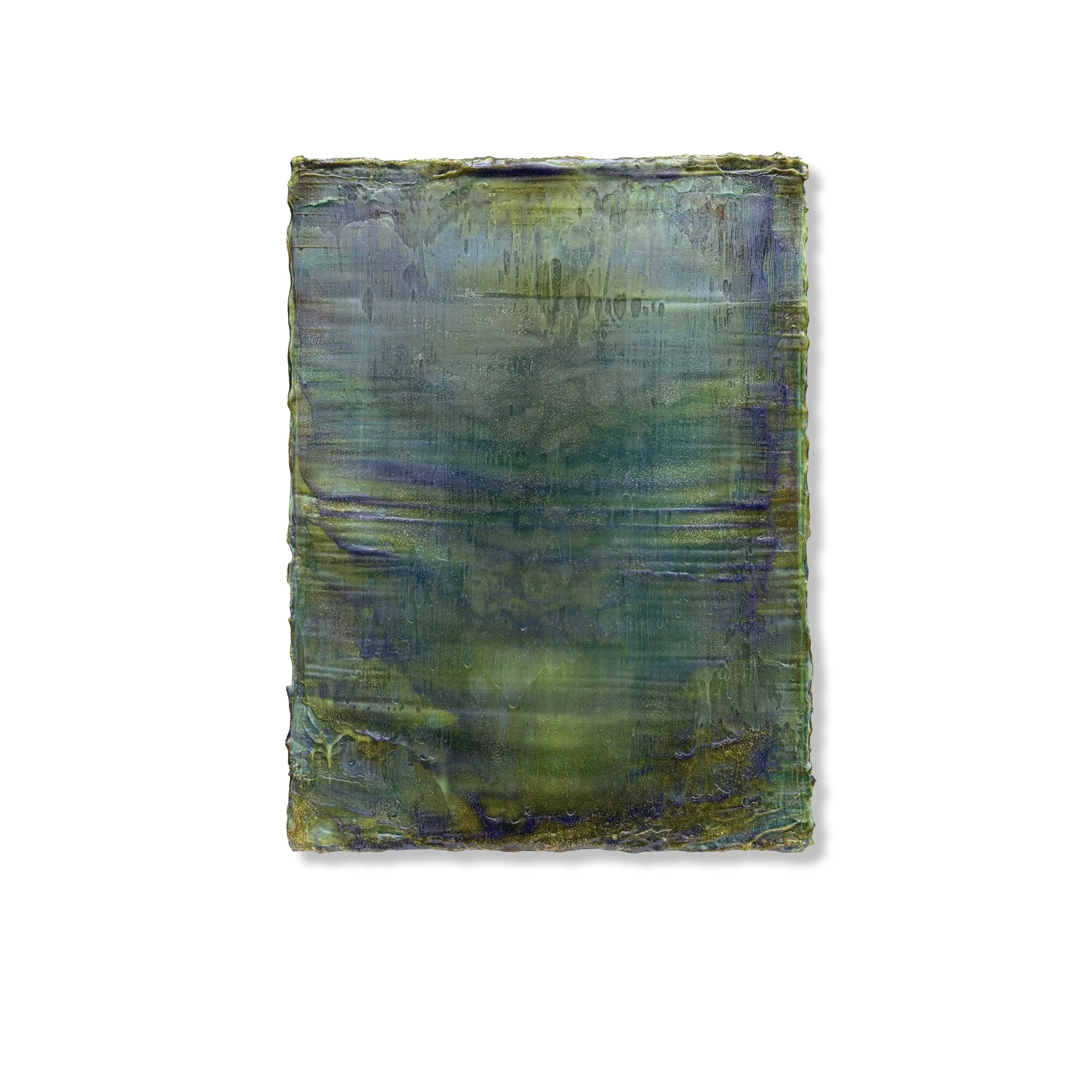
Tifani Anggun Abuku latex and pigment on wood panel 60cm x 80cm, 2025
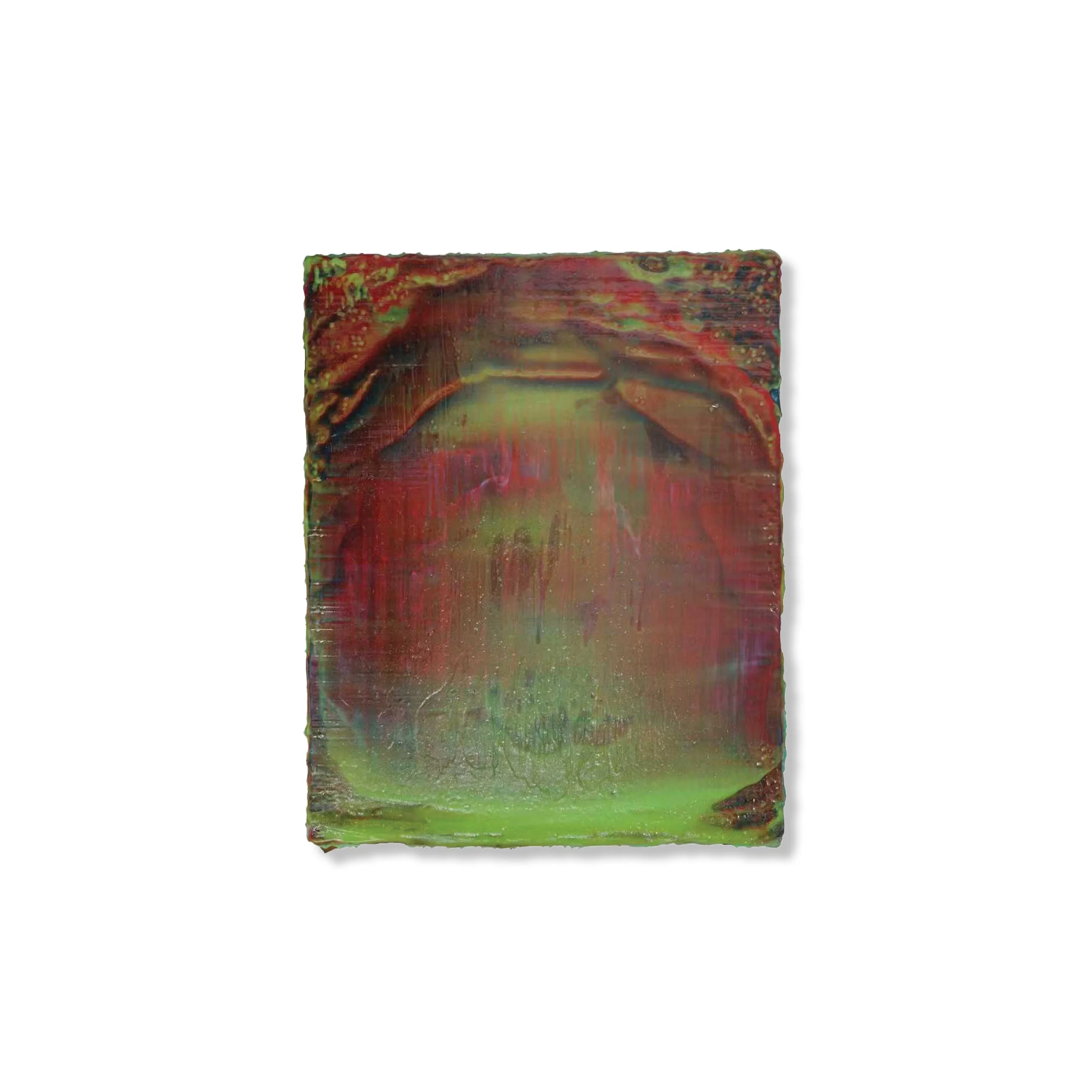
Tifani Anggun Sansan latex and pigment on wood panel 45cm x 50cm, 2025
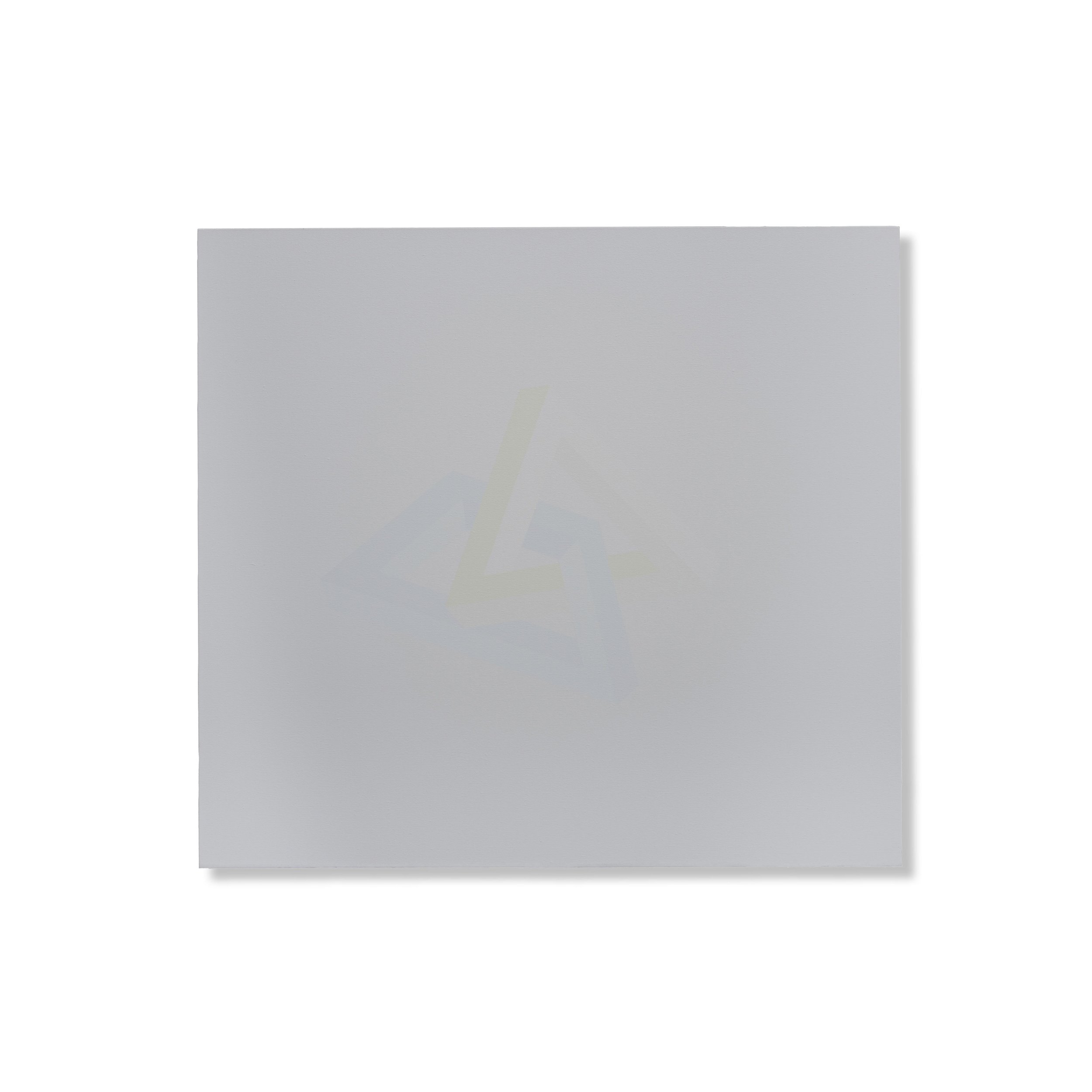
Li Kezheng 20190212 110cm x 100cm, 2019
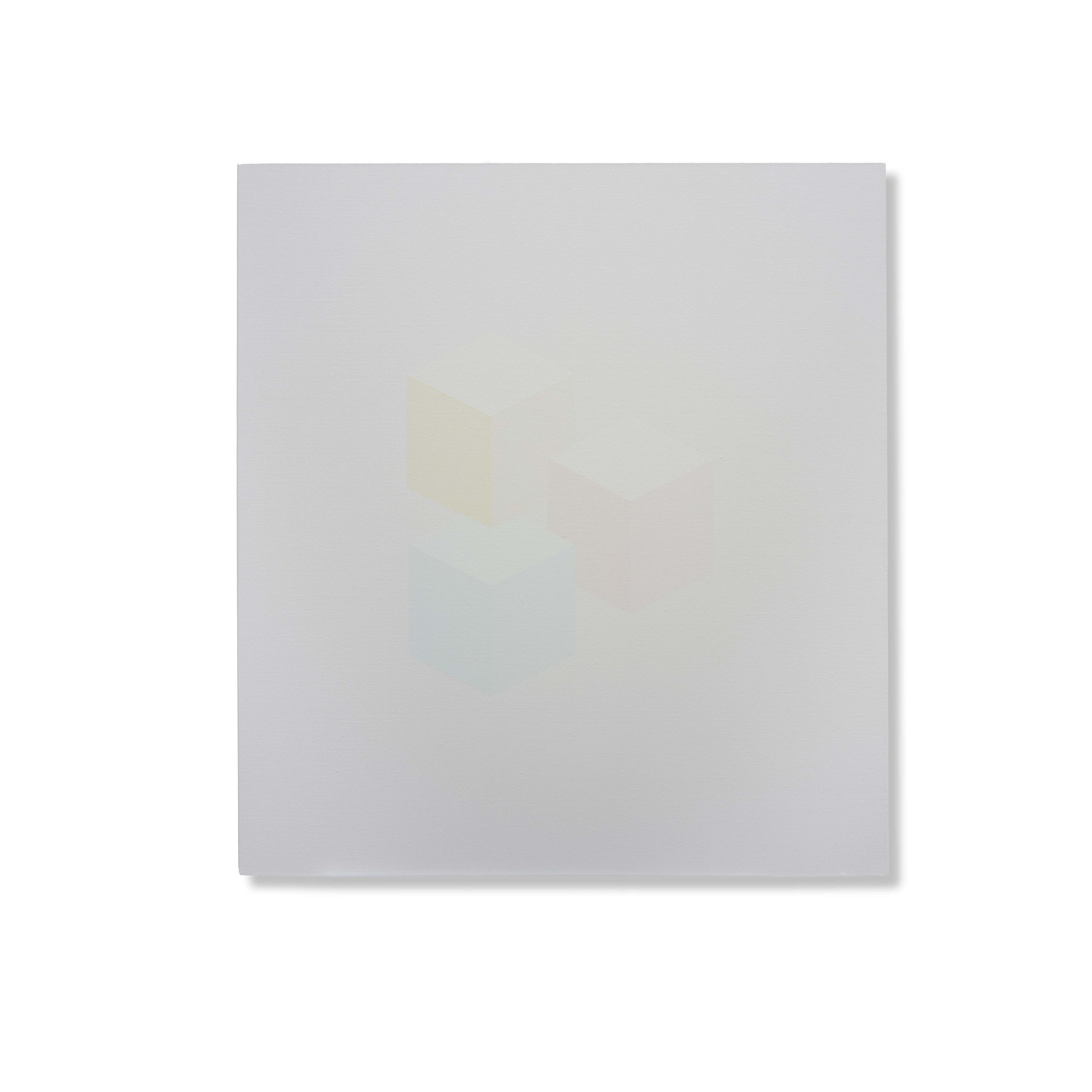
Li Kezheng 20190615 100cm x 110cm, 2019
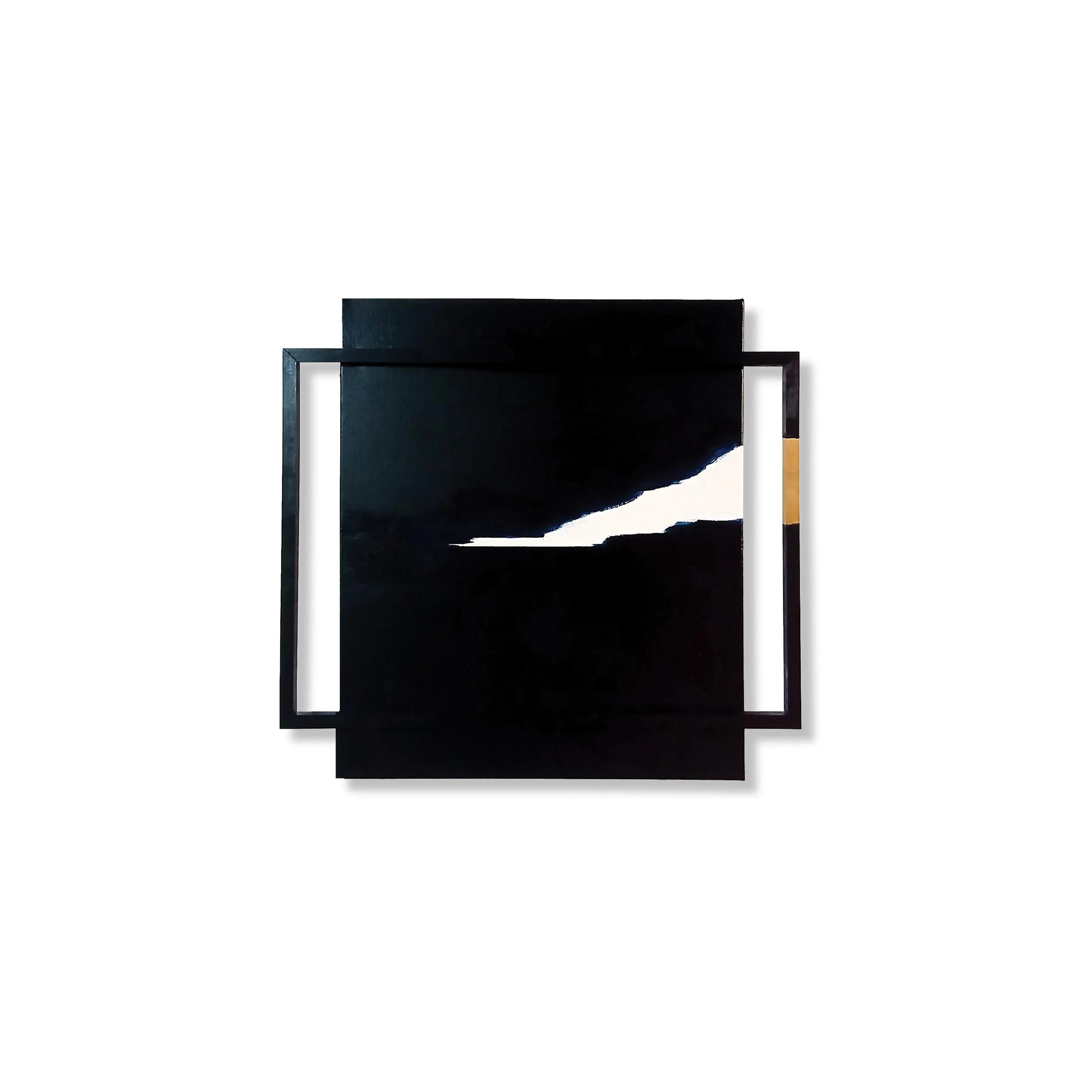
Paul Bai Study of Horizon No.8 acrylic on canvas and wood 70cm x 66cm, 2026
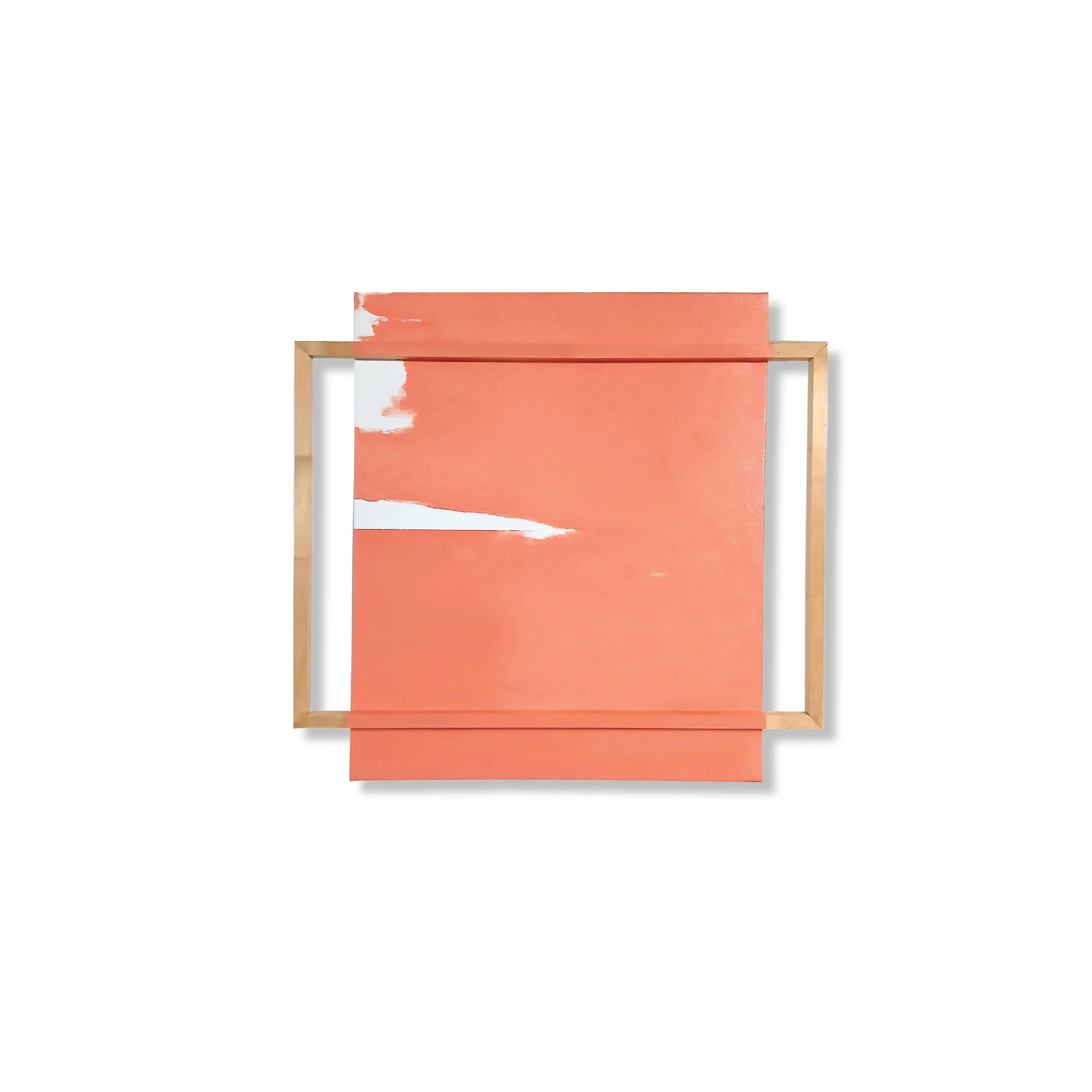
Paul Bai Study of Horizon No.9 acrylic on canvas and wood 70cm x 66cm, 2026
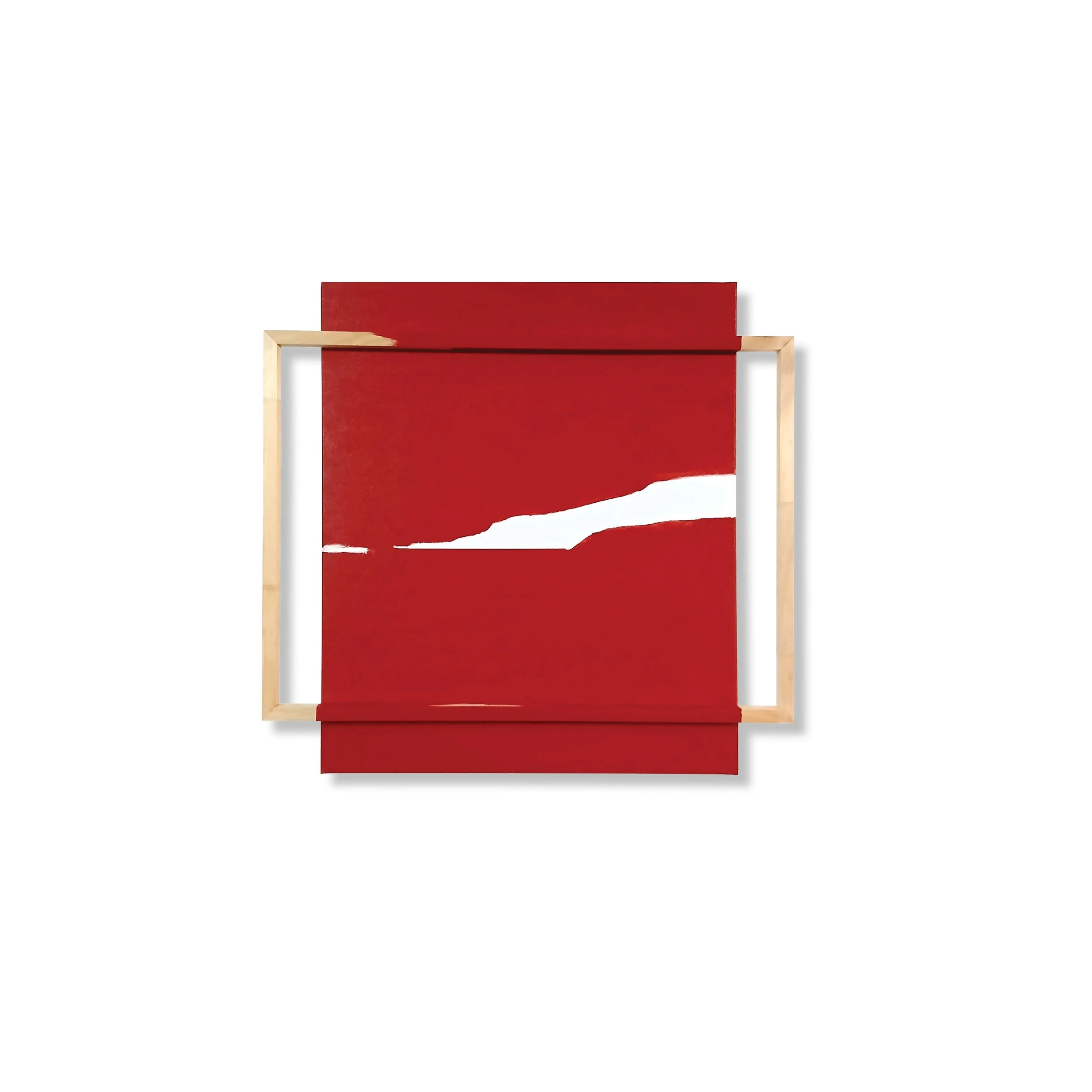
Paul Bai Study of Horizon No.10 acrylic on canvas and wood 70cm x 66cm, 2026
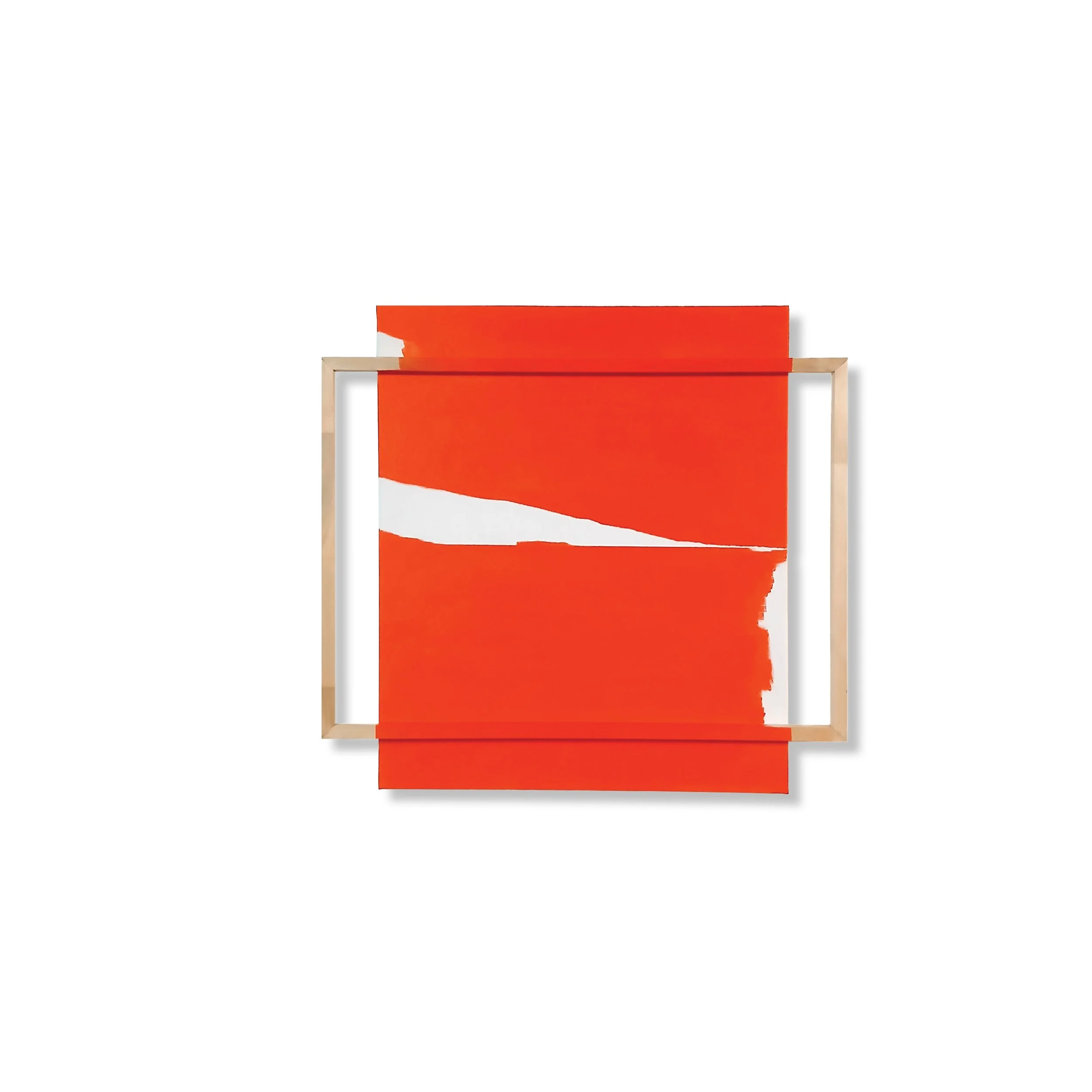
Paul Bai Study of Horizon No.11 acrylic on canvas and wood 70cm x 66cm, 2026