
The Stories of Immortals
Solo Exhibition - 13 June - 13 July, 2024
REDBASE Art Sydney
Quyang is located in the western part of the North China Plain, at the foot of the eastern Taihang Mountains, with steep mountains to the northwest and expansive plains to the southeast. Despite the modest elevation of the surrounding mountains, each has its own ancient name and legends.
According to the Annals of Quyang County, "Mount Huang has been producing white stones since ancient times, which can be used for various monuments, hence the numerous stone craftsmen in the surrounding villages." Since the Western Han Dynasty, stone craftsmen in Quyang have carved steles and various objects from marble, initially for tombstones and later for recording events and leaving messages, primarily displayed in temples.
During the Han Dynasty, Quyang was praised by Emperor Wu of Han as the "hometown of carving." During the Wei, Jin, Northern, and Southern Dynasties, the Buddhist statues and stone lions carved in Quyang were widely used in temple and mausoleum construction, as well as in royal grotto sculptures. During the Sui and Tang Dynasties, Quyang became the largest Han white jade carving centre in northern China. During the Yuan Dynasty, Quyang stone carving reached its peak in architectural decoration, with renowned projects such as the Yungang Grottoes, Longmen Grottoes, Yuanmingyuan, and the Summer Palace reflecting the artistic mastery of Quyang craftsmen. In the Ming and Qing dynasties, Quyang stone carvings were ubiquitous in the palaces, pavilions, archways, temples, and bridges of the imperial capital, and many survive today. More recently, contemporary landmarks such as the Monument to the People's Heroes and the Mausoleum of Chairman Mao continue to bear the imprint of Quyang craftsmanship.
Through repeated documentation of the current state of Quyang stone carvings, the artist presents a magical world grounded in reality. The photographs in this book are not intended merely as documentary records but seek to reveal the diversity and integration of values and cultures in contemporary China and the wider world. At the same time, they offer a transcendent aesthetic experience beyond the ordinary, representing a new exploration and challenge to the traditions of Chinese landscape photography.
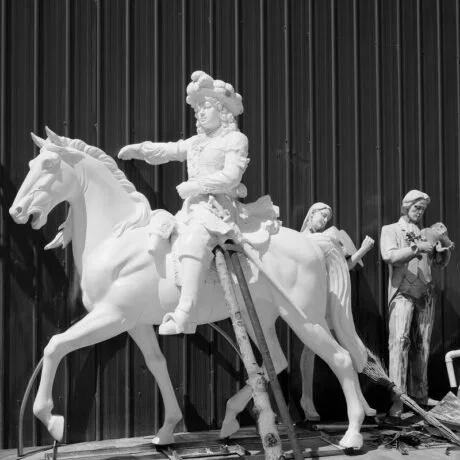
The Stories of Immortals_001 Photopaper 2024
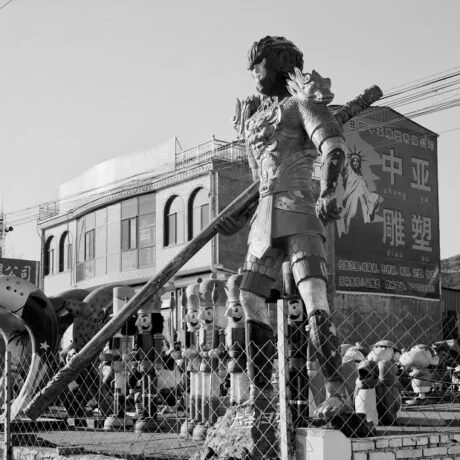
The Stories of Immortals_002 Photopaper 2024
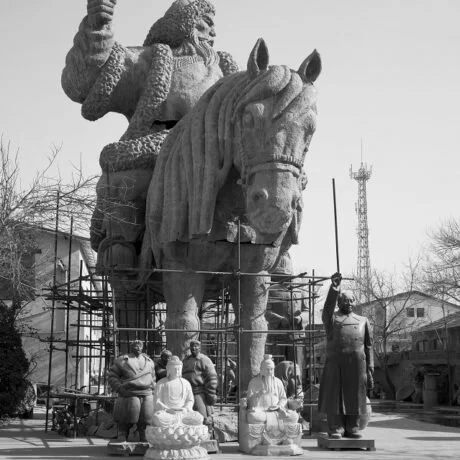
The Stories of Immortals_003 Photopaper 2024
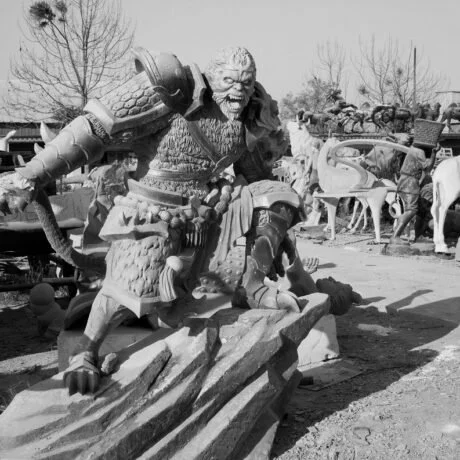
The Stories of Immortals_004 Photopaper 2024
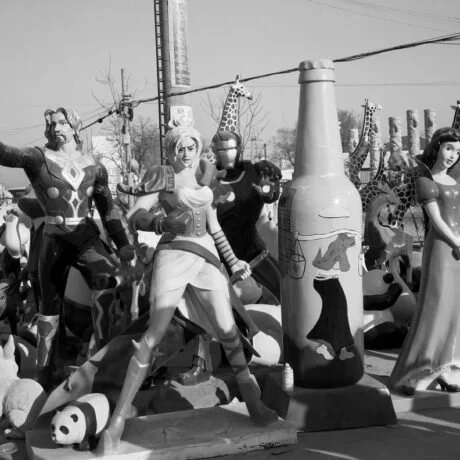
The Stories of Immortals_005 Photopaper 2024
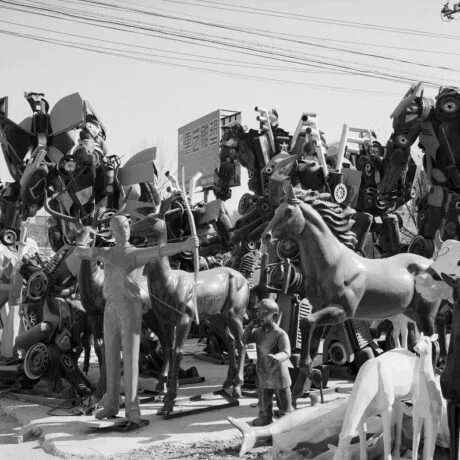
The Stories of Immortals_006 Photopaper 2024
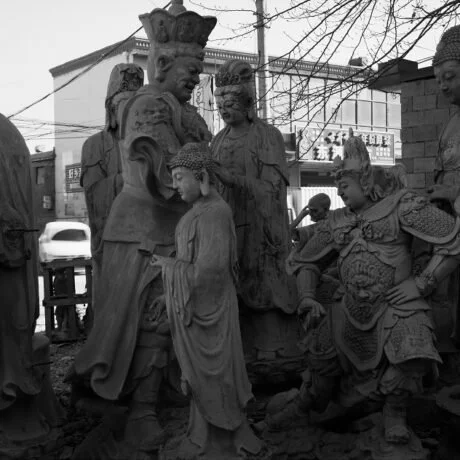
The Stories of Immortals_007 Photopaper 2024
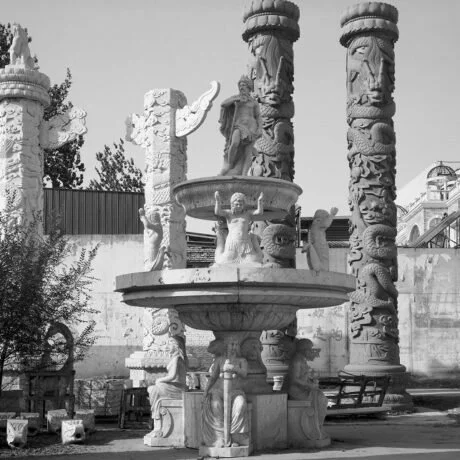
The Stories of Immortals_008 Photopaper 2024
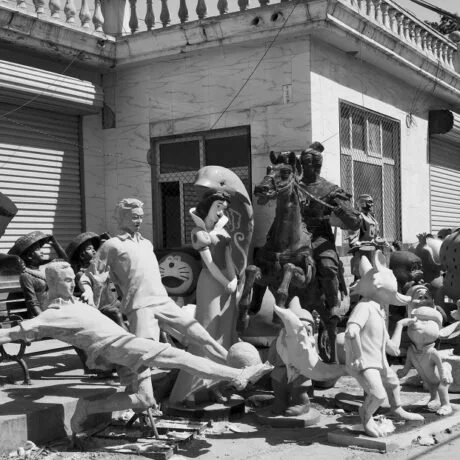
The Stories of Immortals_009 Photopaper 2024
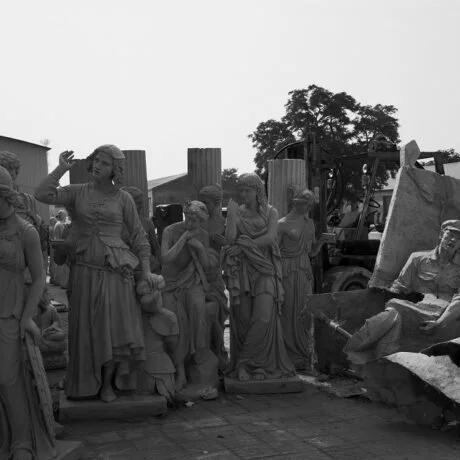
The Stories of Immortals_010 Photopaper 2024
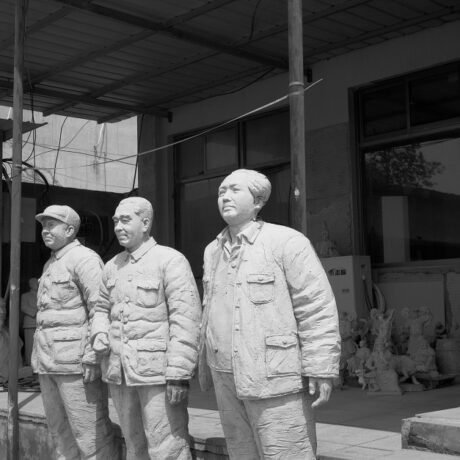
The Stories of Immortals_011 Photopaper 2024
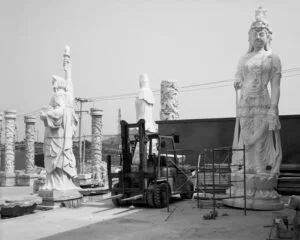
The Stories of Immortals_012 Photopaper 2024
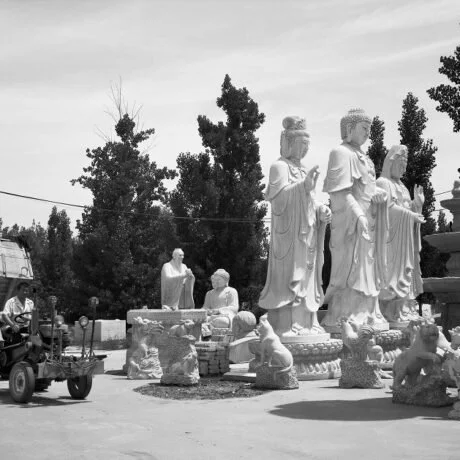
The Stories of Immortals_013 Photopaper 2024
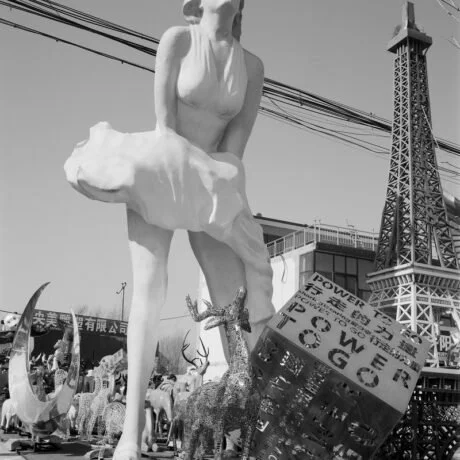
The Stories of Immortals_014 Photopaper 2024

The Stories of Immortals_015 Photopaper 2024
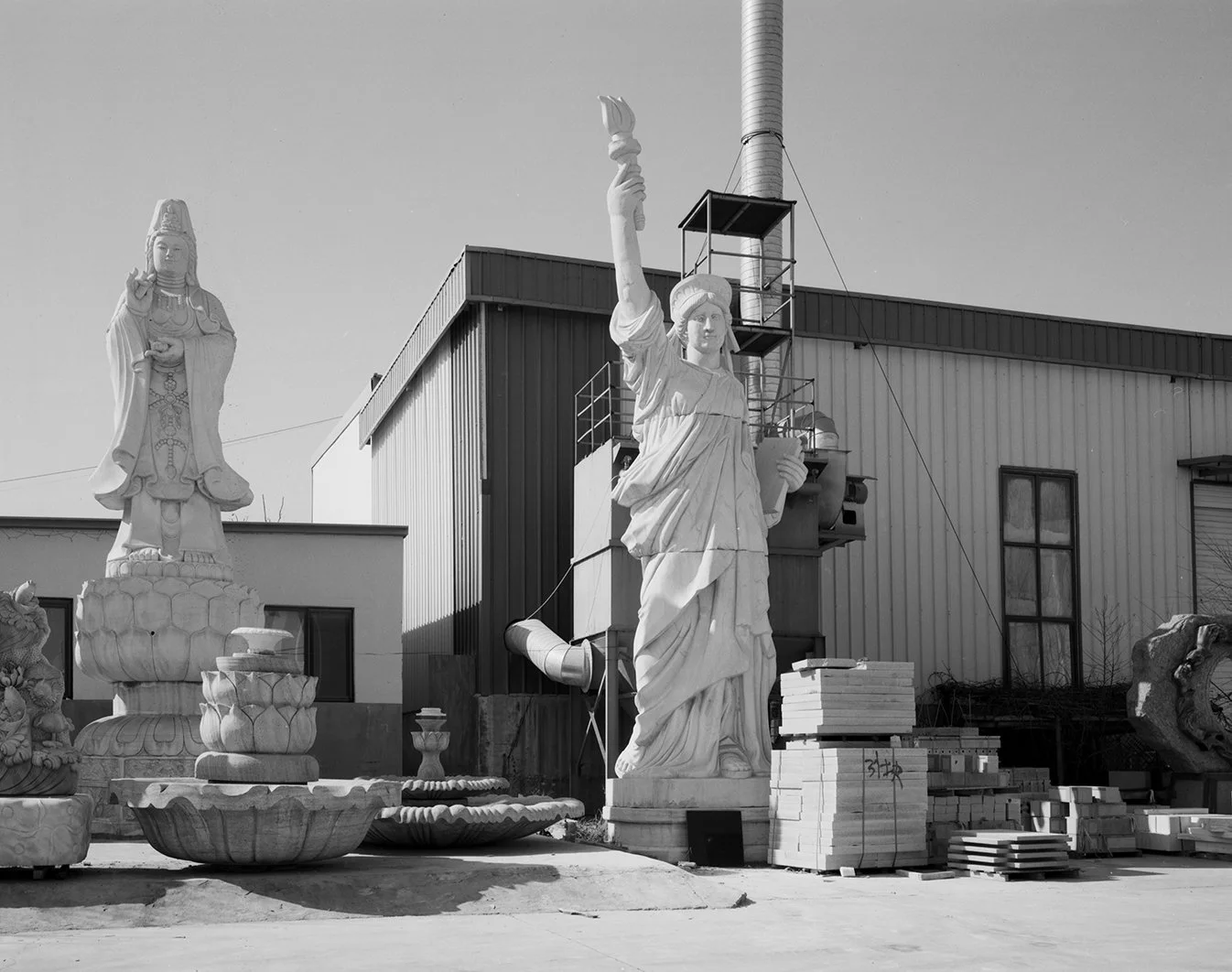
The Stories of Immortals_016 Photopaper 2024
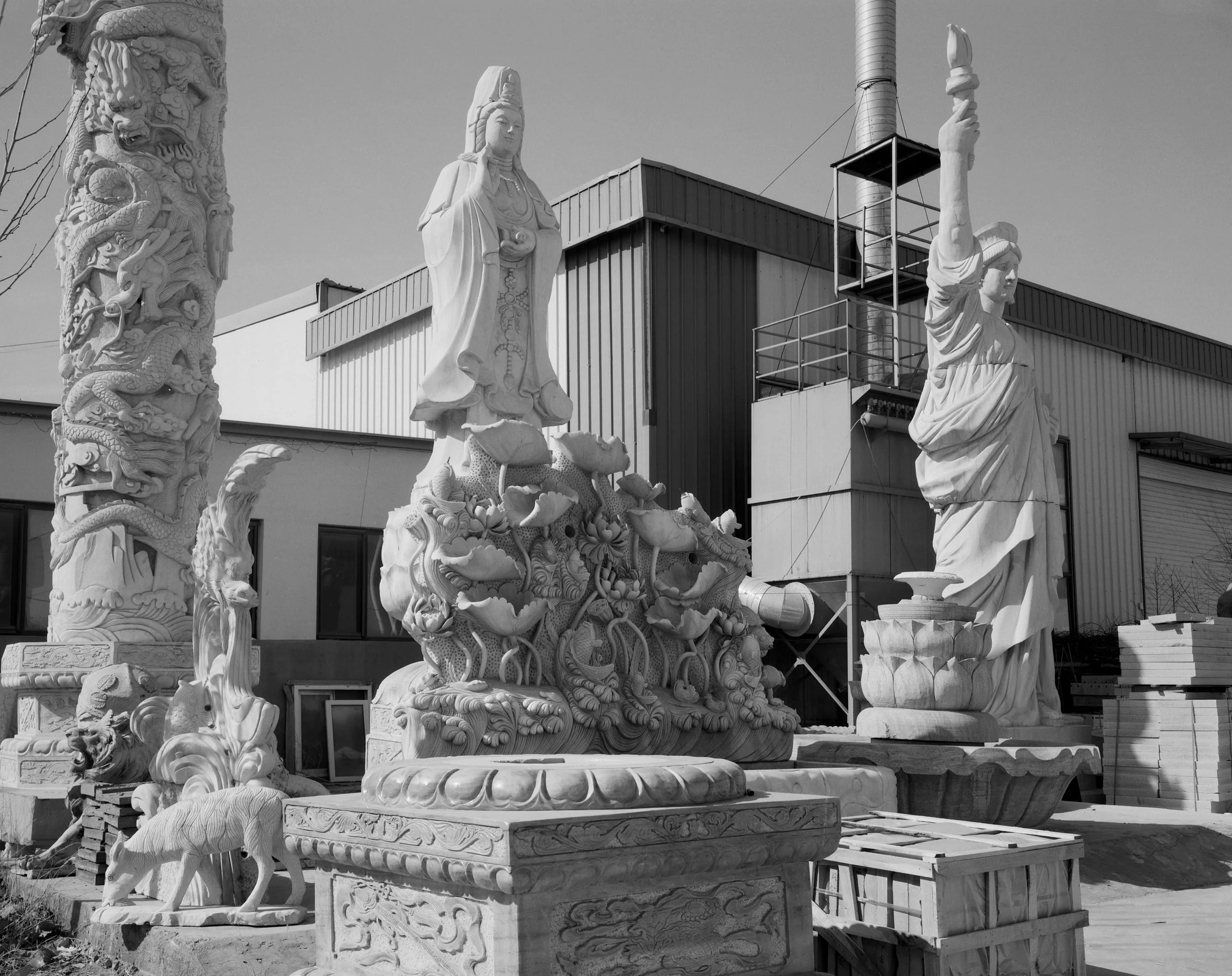
The Stories of Immortals_017 Photopaper 2024
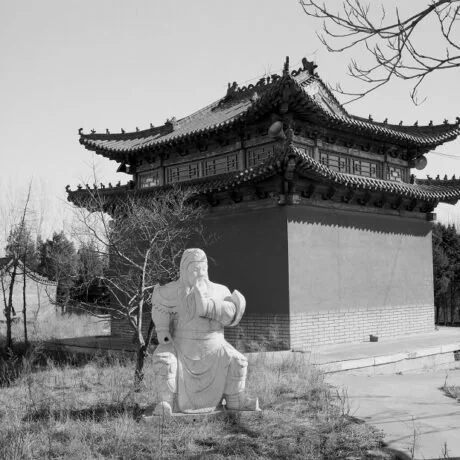
The Stories of Immortals_018 Photopaper 2024
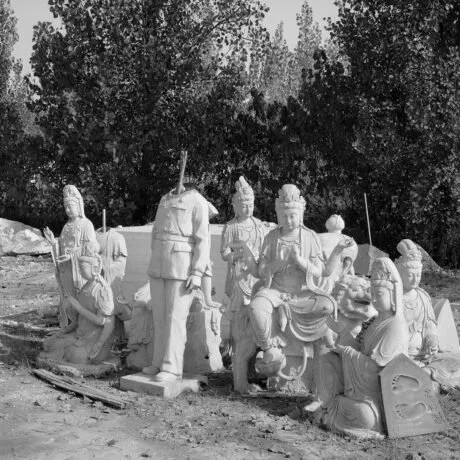
The Stories of Immortals_019 Photopaper 2024
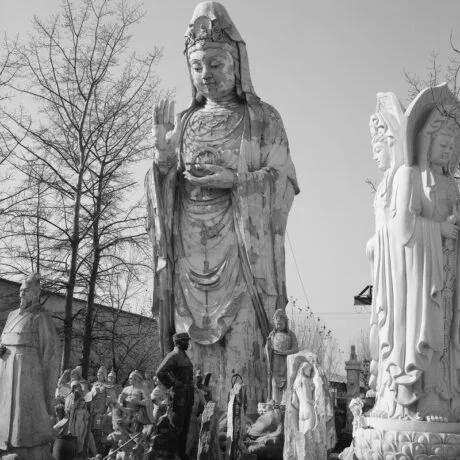
The Stories of Immortals_020 Photopaper 2024
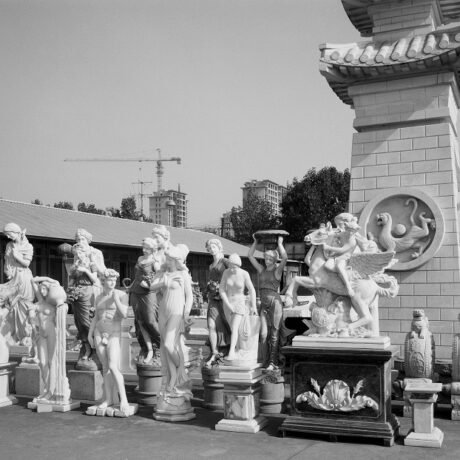
The Stories of Immortals_021 Photopaper 2024
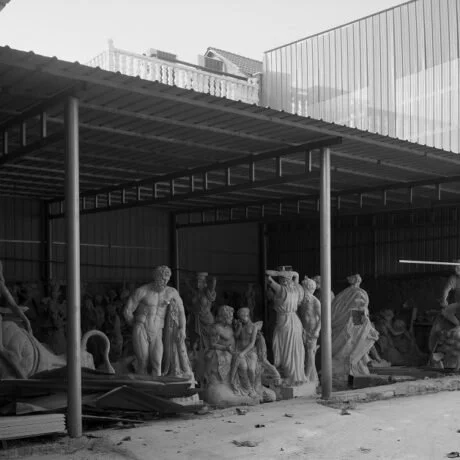
The Stories of Immortals_022 Photopaper 2024
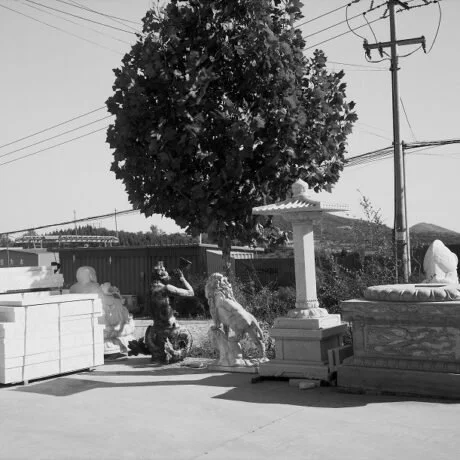
The Stories of Immortals_023 Photopaper 2024
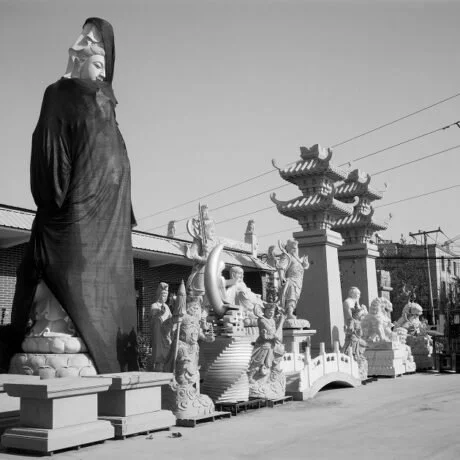
The Stories of Immortals_024 Photopaper 2024
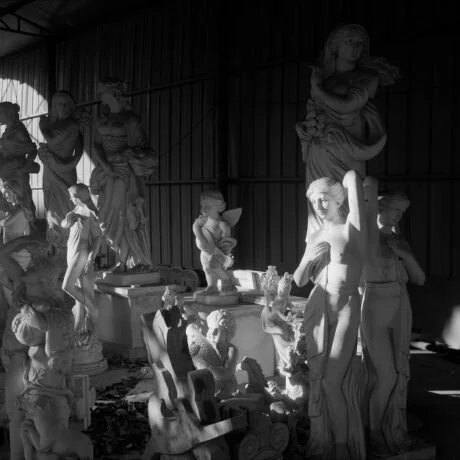
The Stories of Immortals_025 Photopaper 2024
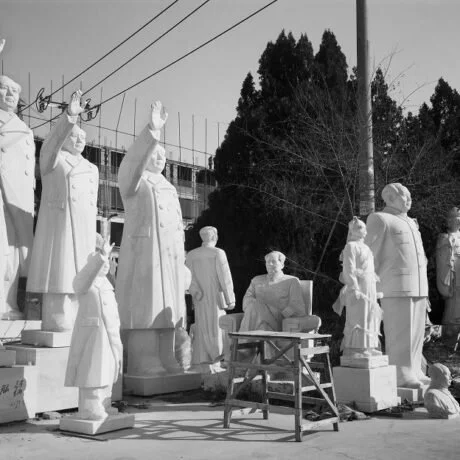
The Stories of Immortals_026 Photopaper 2024
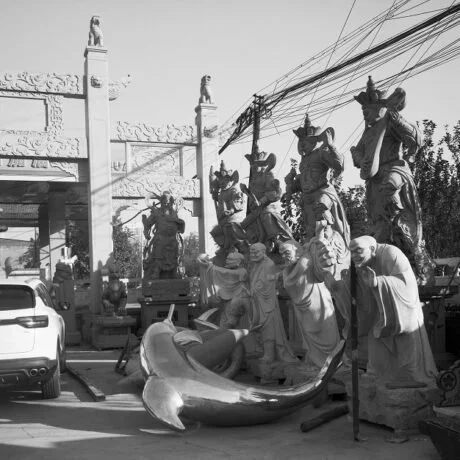
The Stories of Immortals_027 Photopaper 2024
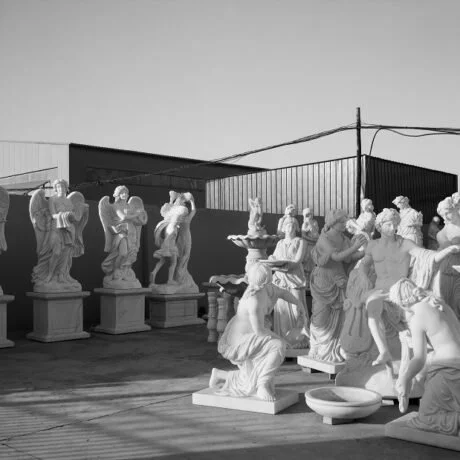
The Stories of Immortals_028 Photopaper 2024
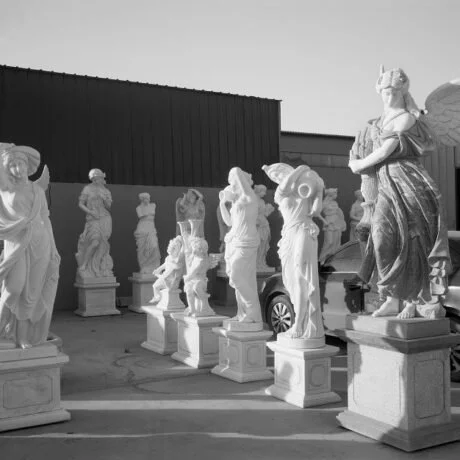
The Stories of Immortals_029 Photopaper 2024
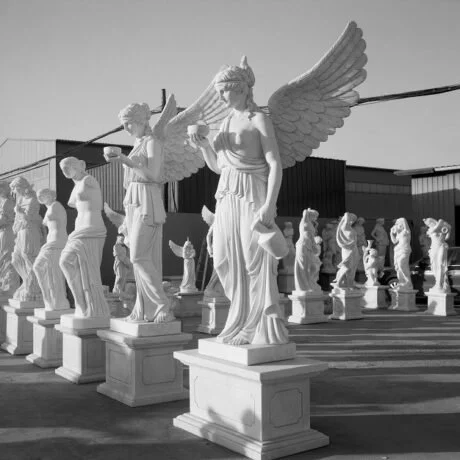
The Stories of Immortals_030 Photopaper 2024