
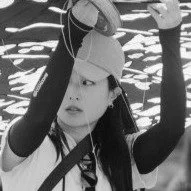
Yoh Yasuda
Japan
Yoh Yasuda (b. 1988) holds a Master’s degree from Tokyo University of the Arts (2014) and currently lives and works between Japan and Indonesia. Deeply familiar with kite making from an early age through her mother’s roots in Nagasaki, a region renowned for its traditional hata and baramon hata kites. Yasuda’s practice explores the intersections of personal memory, childhood, dreams, and traditional cultures threatened by rapid digitalization.
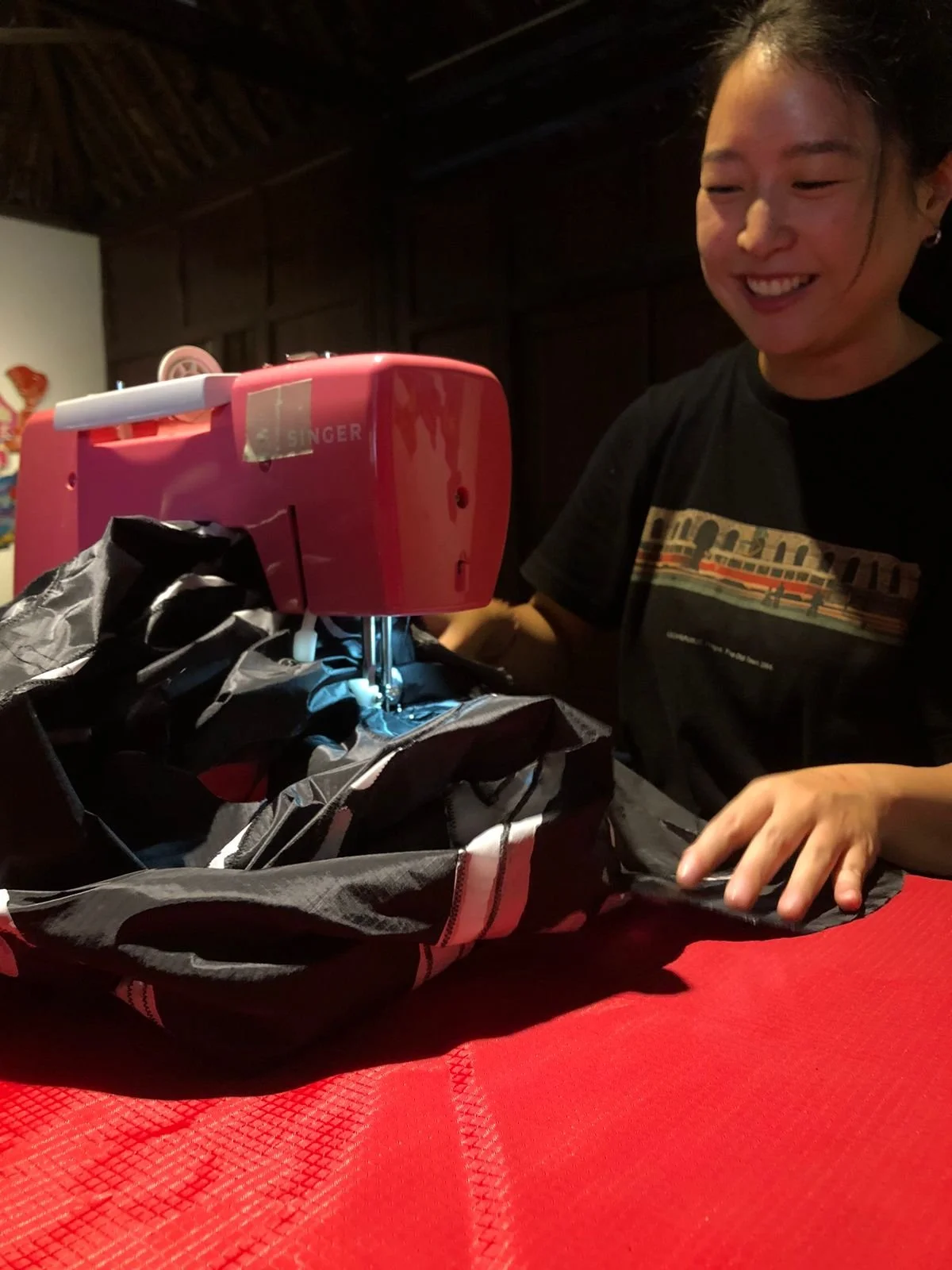
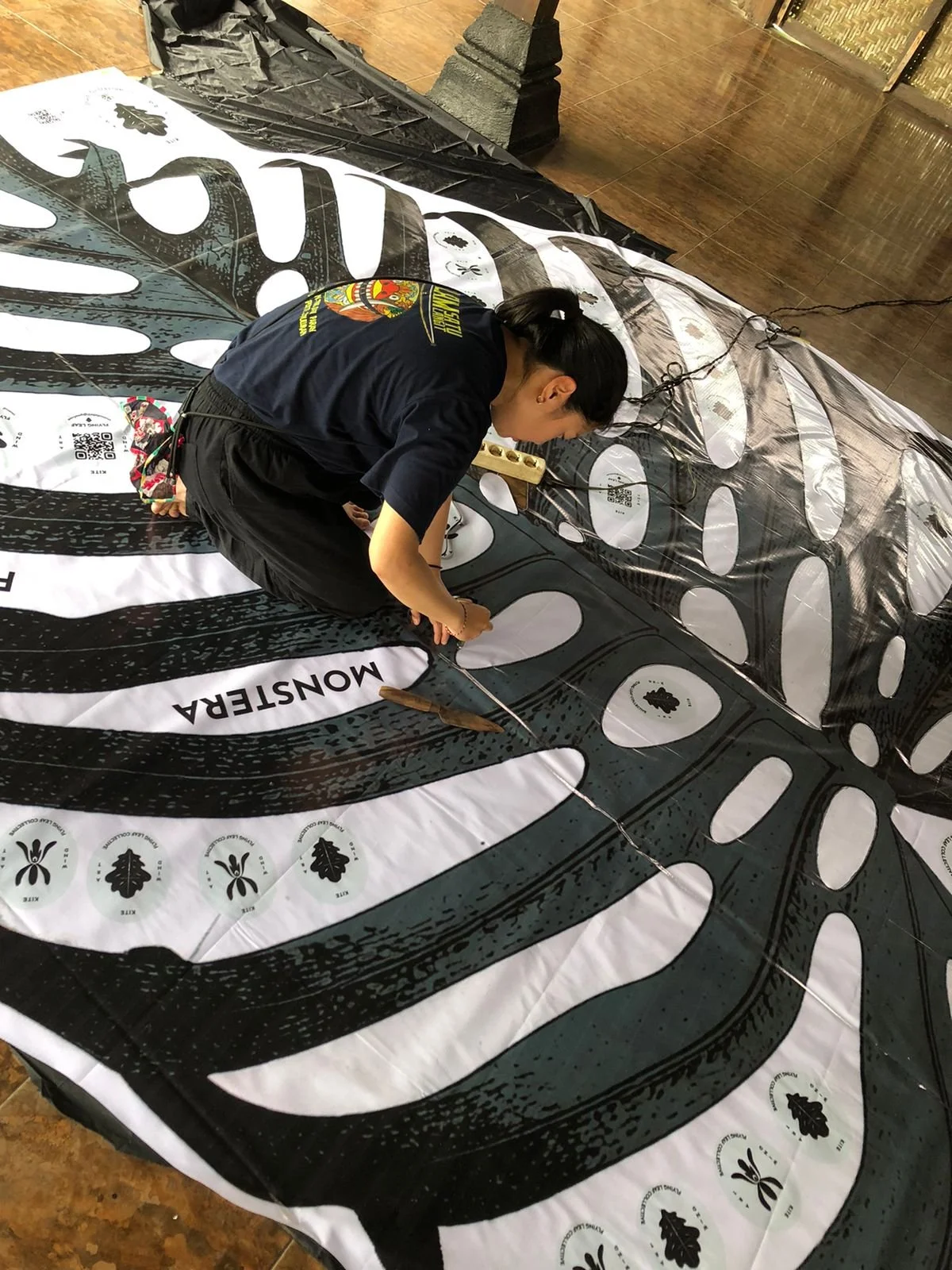
Working across sculpture, video, and spatial installations, her work is heavily informed by field research and connections with people across Japan, Australia, Indonesia, and the Pacific region. Since 2019, Yasuda has been researching global kite history—learning directly from master kite makers, studying Indonesian kite culture, and examining the natural environments of Pacific islands. By developing traditional kite making into a sustainable form of artistic expression, her multi-media installations and works have been presented at numerous international exhibitions, artist residencies, and kite festivals worldwide.
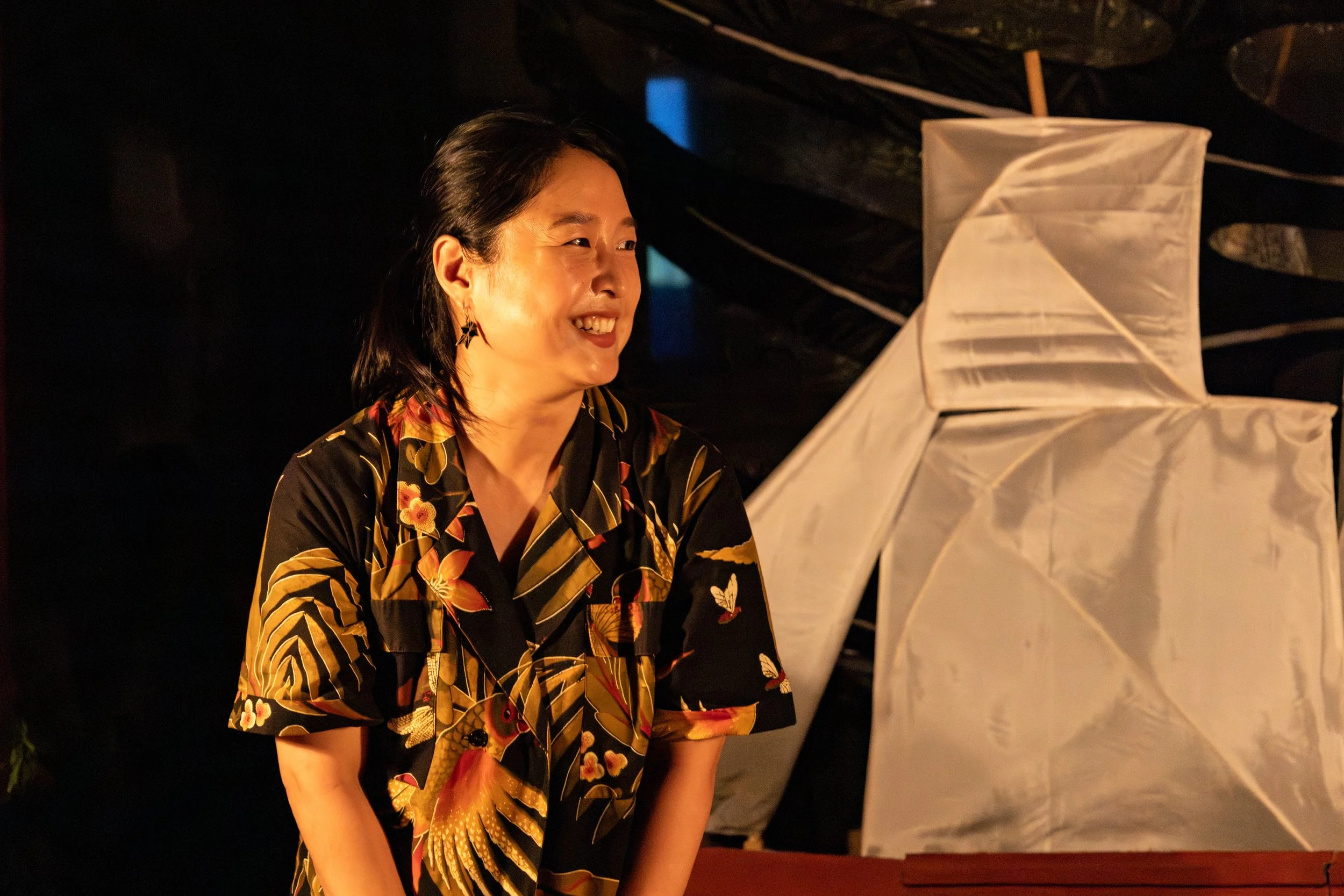
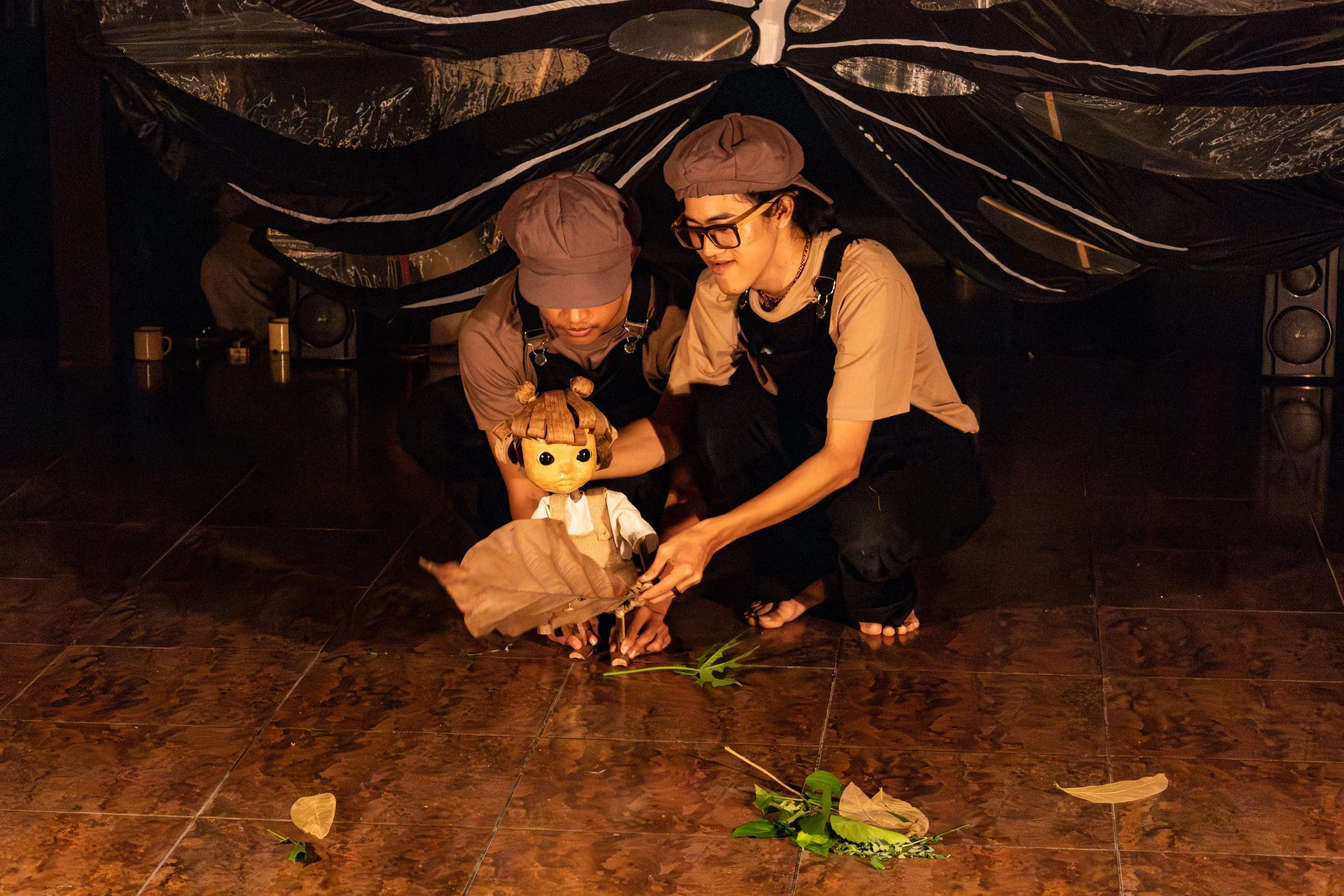
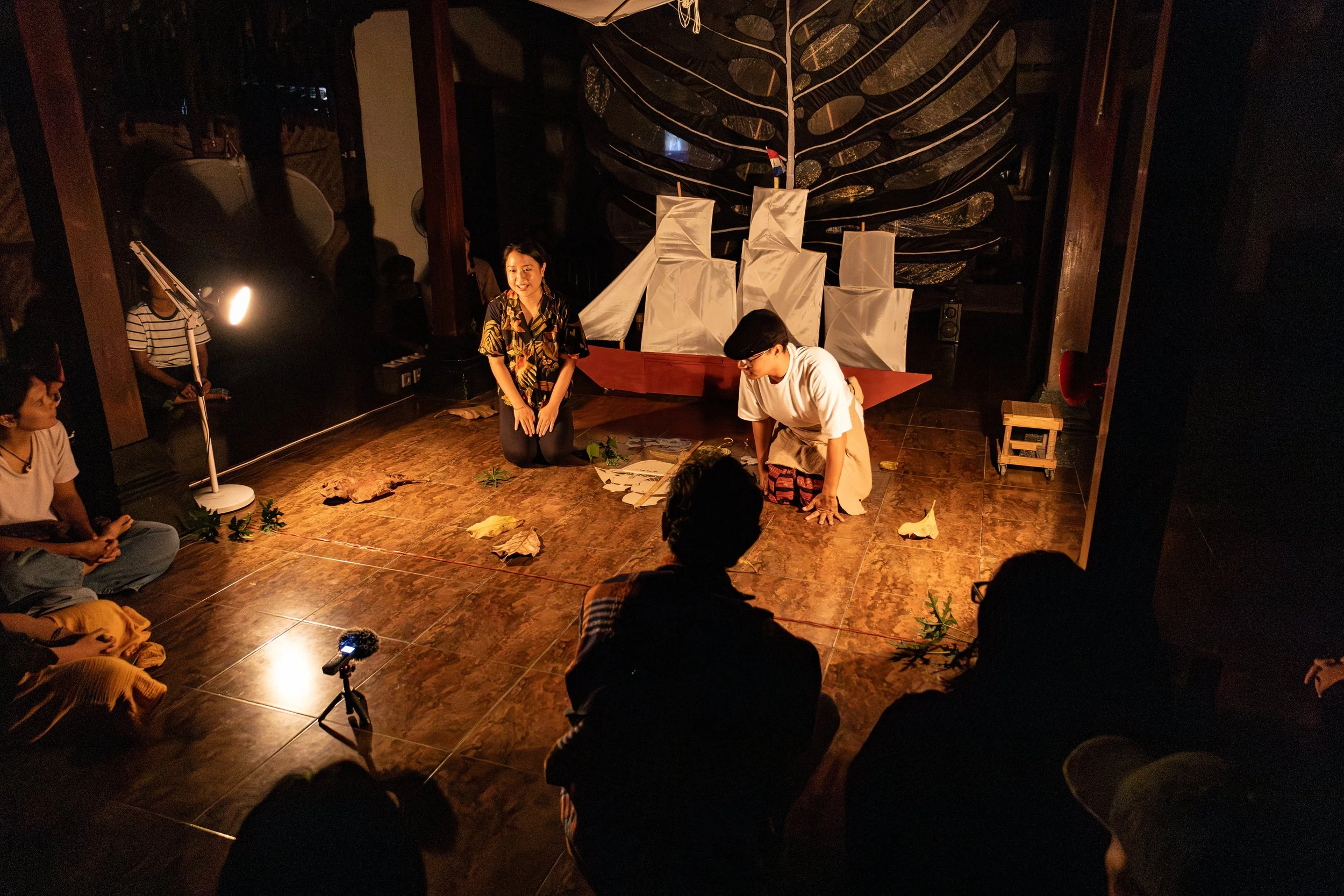
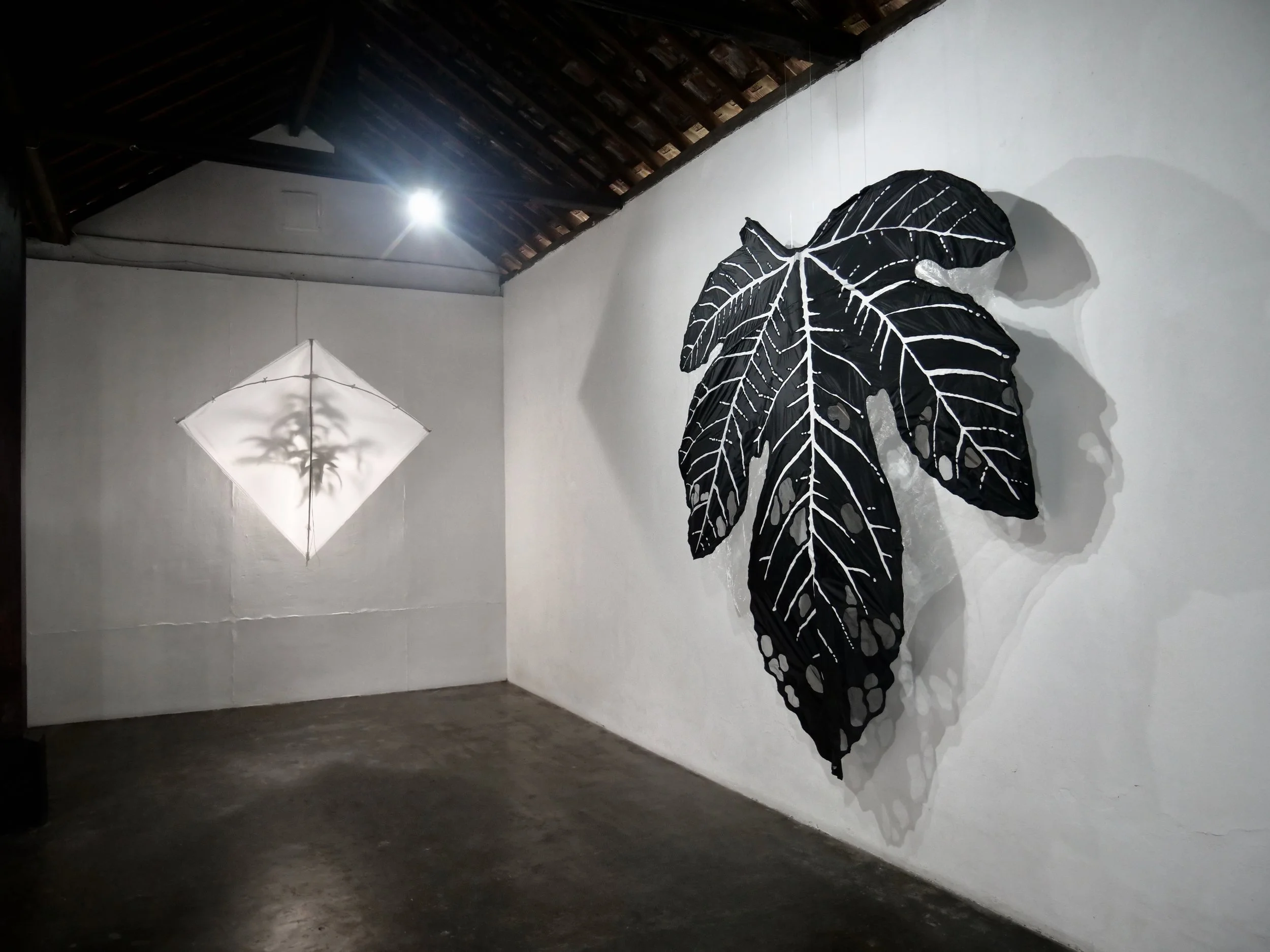
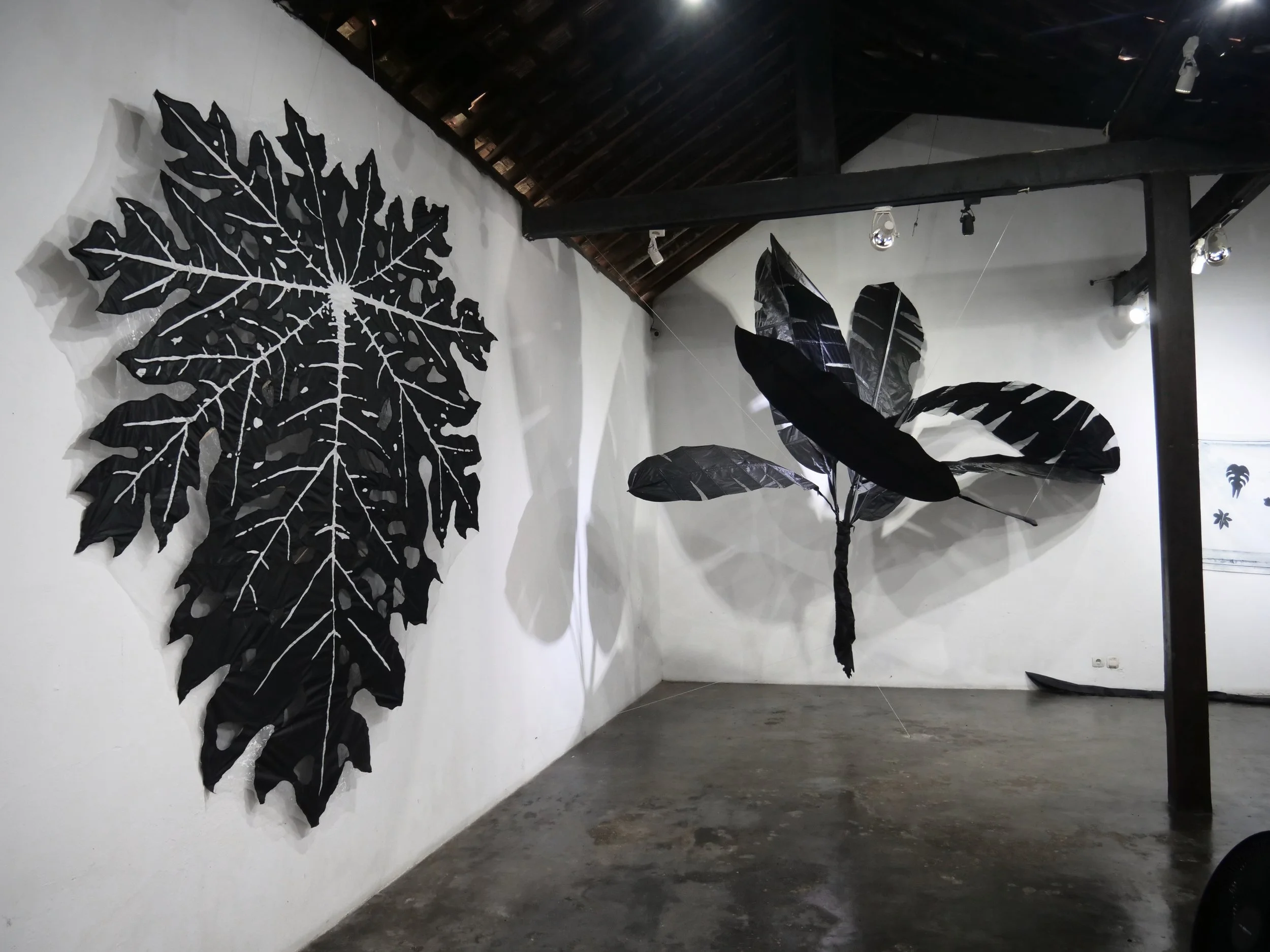
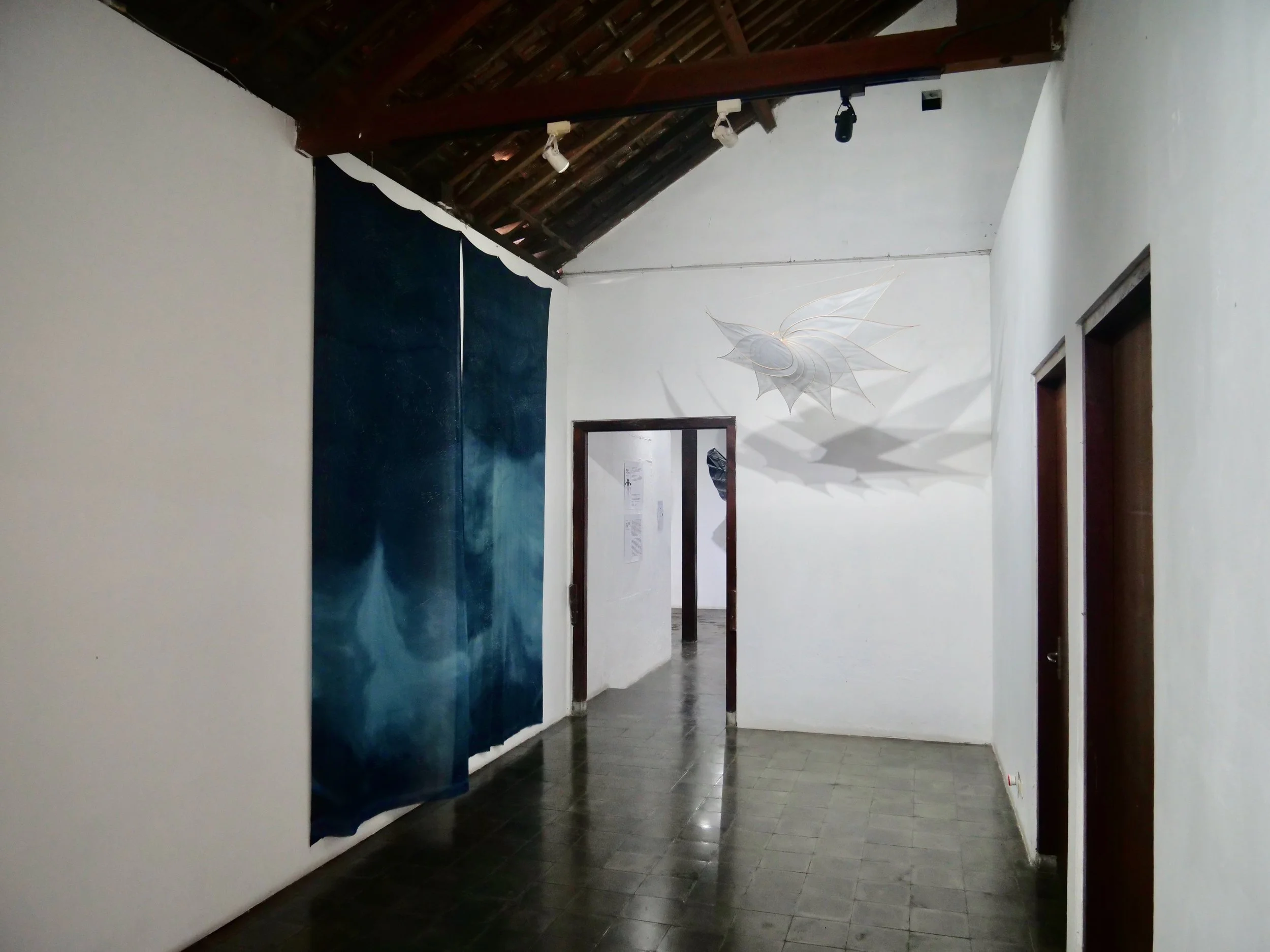
Islands Seen by the Wind
Open Studio - 9 - 10 January, 2026
REDBASE Foundation Indonesia
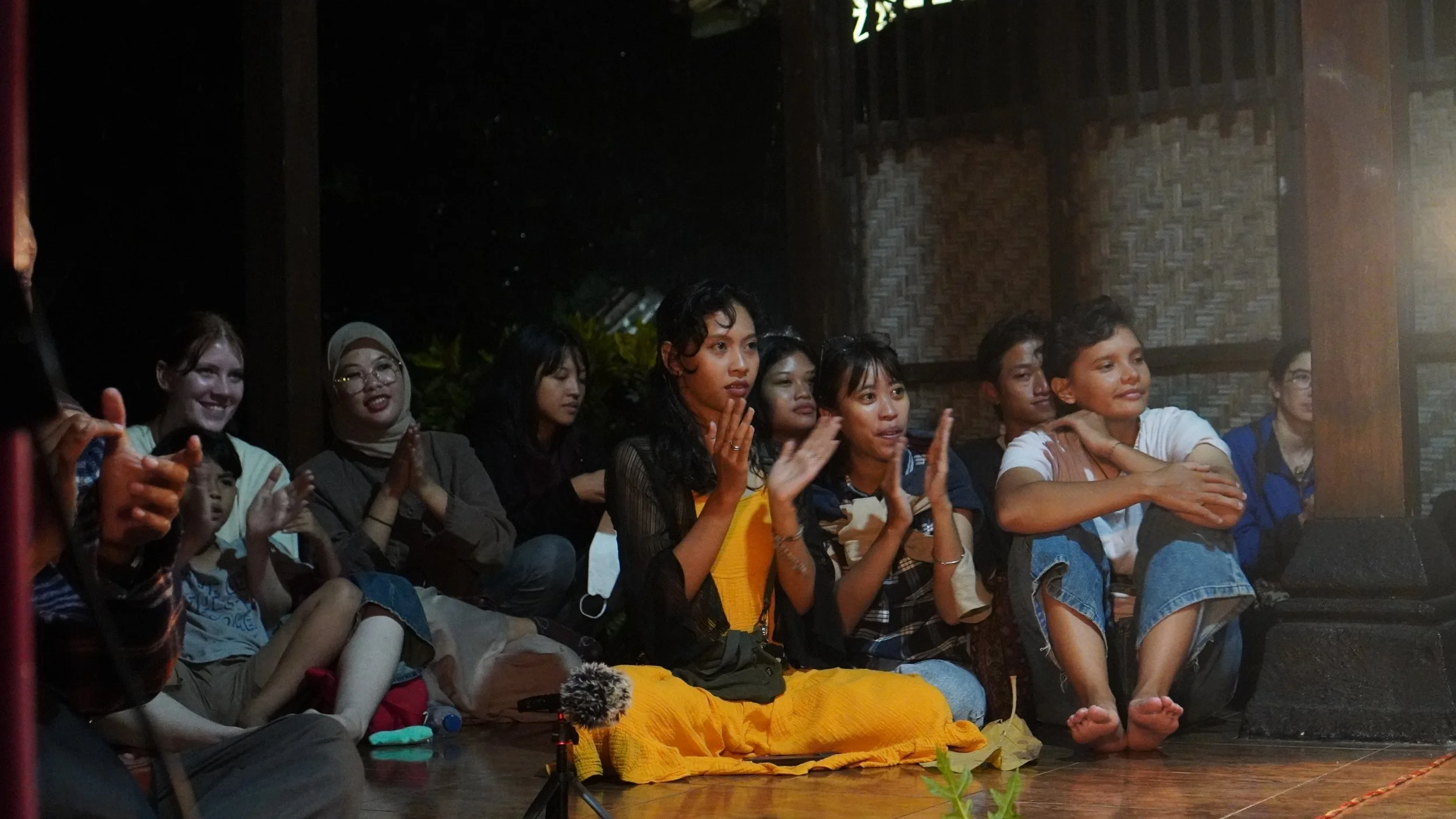
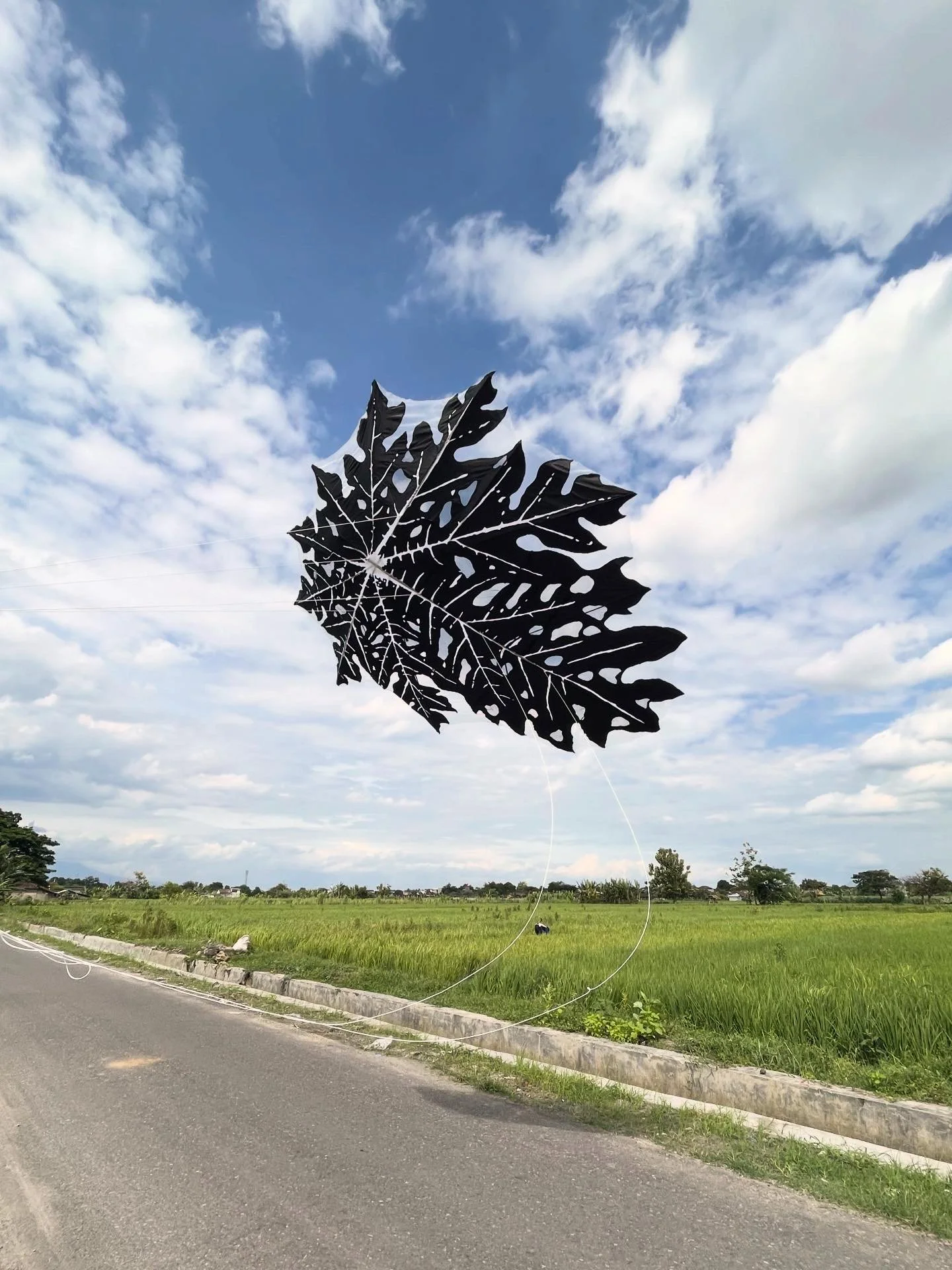
REDBASE is pleased to present the culmination of artist Yoh Yasuda's two-month residency, featuring an open studio and opening puppet performance that explores memory, migration, and wind culture through traditional kite-making. Before the invention of paper, kites were made from leaves and plant fibers, functioning as mediators for communicating with wind and spirits, and were deeply connected to nature worship and ritual practices across Asia. Taking this cultural background of kites as its point of departure, this exhibition explores the mental states of people who move across nations and cultures, as well as the relationships that are woven between humans, other living beings, and the environment through the medium of wind.
Japan and Indonesia are both island nations that have arrived at the present through different histories of independence and domination. At the same time, both societies have long lived alongside natural disasters such as earthquakes, tsunamis, and volcanic eruptions. While wind carries culture and life, it can also bring destruction. Rather than framing this duality of wind as fear or tragedy, this exhibition seeks to reconsider it as a sensory awareness necessary for living together with nature.
At the heart of the Open Studio is the Dialogue Kite, developed through conversations with people of overseas. These kites are not intended to explain emotions or experiences, but to exist as structures that allow the mind to temporarily hold its shape within society. The artist avoids collecting others' experiences in a consumptive or romanticized manner, instead adopting an attitude of entrusting what cannot be fully understood to the wind.


Indoor art installation featuring black and white butterfly and leaf design on fabric, with a white umbrella-shaped light fixture on the wall, in a gallery setting with white walls and wooden ceiling.

Two large blue fabric curtains with abstract white line designs resembling weather patterns or star trails, hung side by side on a white wall.